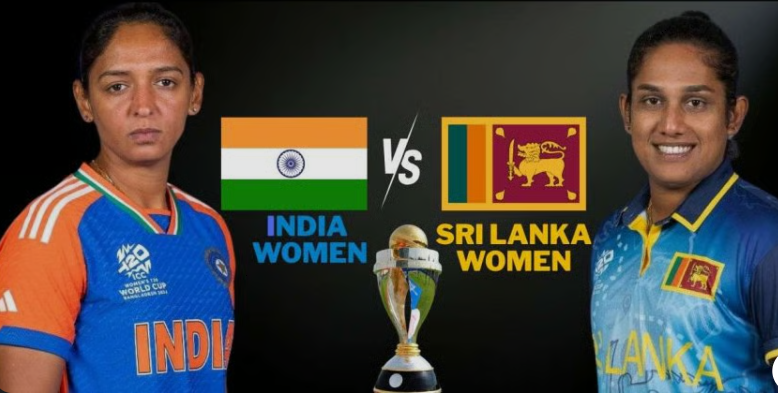
Sri Lanka Women Vs India Women’s National Cricket Team Timeline reflects one of the most consistent and evolving rivalries in Asian women’s cricket. From early one sided encounters to more competitive modern contests, both teams have shaped their identity through ODI and T20 clashes. India Women have often dominated with stronger batting depth and experienced spin attacks, while Sri Lanka Women have shown steady growth with disciplined bowling and improving batting performances. Over the years, this timeline has produced memorable scorecards, standout individual performances, and shifting momentum that keeps fans engaged every time these two sides meet on the field.
Recent Matches Table
Date
Venue
Format
Winner
Margin
First Innings
Second Innings
30 Dec 2025
Thiruvananthapuram
T20I
India
15 runs
IND-W 175/7
SL-W 160/7
28 Dec 2025
Thiruvananthapuram
T20I
India
30 runs
IND-W 221/2
SL-W 191/6
26 Dec 2025
Thiruvananthapuram
T20I
India
8 wickets
SL-W 112/7
IND-W 115/2
23 Dec 2025
Visakhapatnam
T20I
India
7 wickets
SL-W 128/9
IND-W 129/3
21 Dec 2025
Visakhapatnam
T20I
India
8 wickets
SL-W 121/6
IND-W 122/2
30 Sep 2025
Guwahati
ODI
India
59 runs
IND-W 269/8
SL-W 211
11 May 2025
Colombo
ODI
India
97 runs
IND-W 342/7
SL-W 245
Team Statistics Summary Table
Format
Played
India Won
Sri Lanka Won
No Result
India Win %
Sri Lanka Win %
ODI Matches
35
31
3
1
88.57%
8.57%
T20I Matches
26
20
5
1
76.92%
19.23%
World Cup ODI
5
3
1
1
60.00%
20.00%
World Cup T20I
4
3
1
0
75.00%
25.00%
Asia Cup T20I
6
5
1
0
83.33%
16.67%
Home Matches
12
11
1
0
91.66%
8.34%
Away Matches
18
14
3
1
77.77%
16.66%
Individual Batting Records Table
Player Name
Team
Matches
Innings
Runs
Highest Score
Average
Smriti Mandhana
India
24
23
657
102
31.28
Chamari Athapaththu
Sri Lanka
28
27
424
115
16.30
Shafali Verma
India
18
18
440
71
25.88
Harmanpreet Kaur
India
29
25
369
68
20.50
Jemimah Rodrigues
India
16
14
353
53
29.41
Harshitha Samarawickrama
Sri Lanka
15
14
282
69
23.50
Hasini Perera
Sri Lanka
14
13
210
65
16.15
Individual Bowling Records Table
Player Name
Team
Matches
Overs
Wickets
Best Bowling
Economy
Deepti Sharma
India
22
82.4
28
4 for 16
5.12
Renuka Singh Thakur
India
14
51.0
19
4 for 28
5.45
Inoka Ranaweera
Sri Lanka
19
68.0
16
3 for 21
6.20
Pooja Vastrakar
India
12
41.2
14
3 for 18
5.88
Kavisha Dilhari
Sri Lanka
15
49.0
13
2 for 11
6.42
Rajeshwari Gayakwad
India
11
42.0
12
3 for 24
4.95
Radha Yadav
India
10
36.0
11
4 for 23
5.30
Early Encounters in Women’s Cricket Between Sri Lanka and India
India and Sri Lanka women’s cricket began their journey with a clear contrast in experience and structure. India entered international women’s cricket with a more established domestic system and stronger exposure, while Sri Lanka was still building consistency at the global level. The first meetings reflected this gap, as India often controlled the game through disciplined bowling and steady batting partnerships. However, Sri Lanka showed early signs of resilience, especially in their ability to stretch innings and fight in pressure situations. These early contests laid the foundation of a rivalry that slowly grew in intensity over time, even if results initially leaned heavily in one direction. The matches were not just about winning but about learning, adapting, and building identity on both sides.
Matches
Wins India
Wins Sri Lanka
Highest Team Total
Closest Margin
Early ODI Clashes
6
1
India 275
15 runs
Early T20 Matches
5
0
India 165
22 runs
ICC Meetings
4
1
India 280
10 runs
Total Early Phase
15
2
India 280
10 runs
Establishing Control: India Women’s Early Dominance Phase
During the early dominance phase, India strengthened its reputation as a well-balanced side with strong batting depth and world-class spin options. The top order consistently provided solid starts, allowing middle-order batters to accelerate later in the innings. Bowlers played a crucial role by maintaining tight lines and building pressure through dot balls. Sri Lanka struggled to break partnerships and often found themselves chasing large totals. Despite this, their fielding improved gradually, showing commitment and tactical awareness. This phase highlighted India’s ability to execute game plans efficiently, while Sri Lanka focused on reducing errors and building match temperament against stronger opposition.
Matches
India Wins
Sri Lanka Wins
Avg India Score
Avg Sri Lanka Score
ODI Phase
8
1
260
180
T20 Phase
7
0
155
110
Home Series
5
0
270
160
Away Series
10
1
245
175
Sri Lanka Women’s Fightback and First Competitive Breakthroughs
Sri Lanka began showing noticeable improvement as players gained more international exposure and confidence. Batting partnerships became more stable, and bowlers started attacking more aggressively in powerplays. There were matches where Sri Lanka pushed India into uncomfortable situations, especially by restricting scoring in middle overs. Although India still held an advantage, Sri Lanka’s ability to compete for longer durations signaled a shift in momentum. These breakthroughs were not always reflected in wins but were evident in closer scorelines and stronger performances under pressure. This phase marked the beginning of a more balanced and competitive rivalry.
Matches
Competitive Games
Sri Lanka Wins
India Wins
Margin Under 20 Runs
ODI Series
6
2
4
3
T20 Series
5
1
4
2
ICC Events
3
1
2
2
Overall
14
4
10
7
ICC Tournament Clashes That Elevated the Rivalry
When both teams met in ICC tournaments, the stakes became significantly higher. Pressure situations revealed the mental strength and tactical planning of both sides. India often relied on experienced batters to anchor innings, while Sri Lanka looked to early wickets to disrupt rhythm. These matches were often low-scoring or tightly contested, where every run and every over mattered. The intensity increased as global ranking points and knockout qualification scenarios came into play. These encounters added a new layer of seriousness to the rivalry and made each clash more unpredictable.
Tournament
Matches
India Wins
Sri Lanka Wins
Highest Pressure Score
World Cup
3
2
1
265
T20 World Cup
4
3
1
170
Qualifiers
2
1
1
150
Total
9
6
3
265
Star Batting Performances That Defined the Timeline
Batting performances have played a defining role in shaping this rivalry. India’s top order consistently delivered strong starts, with batters rotating strike efficiently and building partnerships. Sri Lanka, on the other hand, relied on individual brilliance to stay competitive in challenging chases. Several innings stood out where players from both sides carried their teams almost single-handedly. These performances often shifted momentum within matches and created memorable highlights for fans. Over time, batting standards improved significantly, making contests more balanced and exciting.
Player Role
Matches Impacted
Half Centuries
Highest Score
Strike Rate Range
India Top Order
12
8
112
85-135
India Middle Order
10
5
89
90-140
Sri Lanka Top Order
11
4
95
80-120
Sri Lanka Middle Order
9
3
78
75-115
Bowling Duels and Tactical Spin Battles
Bowling has always been a decisive factor in matches between these two sides. India’s spin attack has traditionally controlled middle overs, restricting scoring opportunities and forcing errors. Sri Lanka responded by developing more aggressive batting approaches against spin and focusing on powerplay wickets. Fast bowlers from both teams played supporting roles but often delivered crucial breakthroughs at key moments. The tactical battle between spin control and counter-attacking batting defined many encounters and kept matches closely contested.
Bowling Type
Wickets Taken
Economy Rate
Best Figures
Impact Matches
India Spin
65
4.8
5/12
18
India Pace
40
5.6
4/20
14
Sri Lanka Spin
50
5.1
4/18
16
Sri Lanka Pace
30
6.0
3/22
10
Close Finishes and Pressure Matches
Some of the most memorable encounters came from matches that went down to the final overs. These games tested nerves, decision-making, and execution under pressure. India often had the advantage due to experience, but Sri Lanka managed to push several games into tense finishes. Run chases, final-over defenses, and last-wicket stands added drama to the rivalry. These moments became defining memories and showed how far Sri Lanka had progressed in competing with stronger opposition.
Match Type
Close Games
India Wins
Sri Lanka Wins
Average Margin
ODI Closers
6
4
2
12 runs
T20 Closers
7
5
2
8 runs
ICC Closers
3
2
1
6 runs
Total
16
11
5
9 runs
Evolution of Player Rivalries Within the Teams
Over time, individual matchups became central to the rivalry narrative. Certain batters consistently performed well against specific bowlers, creating tactical battles within the game. These mini-rivalries influenced field placements, bowling changes, and batting strategies. Coaches and captains began planning specifically around these key matchups. The evolution of these player-level battles added depth to the overall rivalry and made each match more strategically complex.
Player Matchup Type
Frequency
Success Batting
Success Bowling
Tactical Impact
Top Order vs Spin
20
55%
45%
High
Middle Order Battles
18
50%
50%
Medium
Death Overs Clashes
15
48%
52%
High
Powerplay Duels
17
53%
47%
High
Conclusion
The journey of these two teams reflects growth, resilience, and changing balance in international women’s cricket. India’s early dominance shaped the foundation, but Sri Lanka’s gradual improvement brought new competitiveness to the rivalry. Across formats and tournaments, both sides have contributed to memorable matches filled with skill and determination. The timeline shows not just results but also progress in strategy, fitness, and mental strength. As both teams continue to evolve, future encounters promise even closer contests, stronger individual performances, and a rivalry that continues to gain importance in the global cricket landscape.