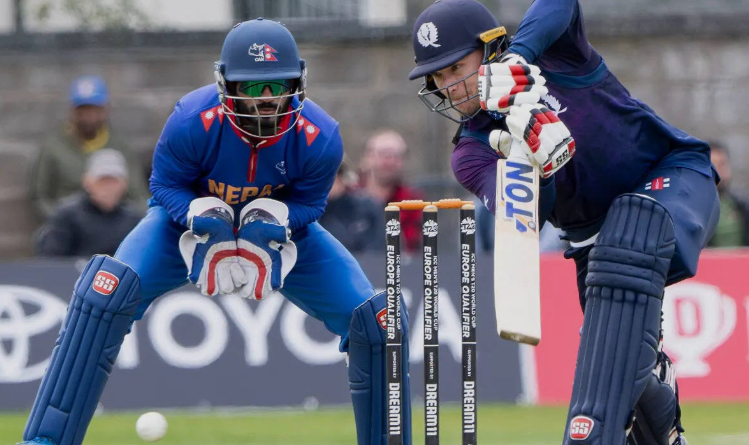
The cricketing meetings between these two sides have grown into a fascinating associate level rivalry shaped by changing momentum, tactical evolution and rising competitiveness. From early encounters with limited experience to modern matches defined by preparation and data driven planning, each game has added new depth to their cricketing relationship. Players from both teams have contributed memorable performances under pressure, while fans have witnessed shifting dominance and emotional contests. The journey reflects how associate cricket has developed over time, with improved skills, stronger squads and greater international exposure shaping every clash between them on the field.
Recent Matches Table
Match Date
Format
Venue
Winner
Margin
First Innings
Second Innings
May 18, 2026
ODI
Kirtipur
Nepal
6 wickets
Scotland 194
Nepal 198/4
May 12, 2026
ODI
Kirtipur
Scotland
2 runs
Scotland 243/8
Nepal 218/7
February 17, 2026
T20I
Mumbai
Nepal
7 wickets
Scotland 154/7
Nepal 158/3
June 20, 2025
T20I
Edinburgh
Scotland
34 runs
Scotland 193/5
Nepal 159
June 17, 2025
T20I
Edinburgh
Nepal
2 wickets
Scotland 97
Nepal 98/8
June 8, 2025
ODI
Dundee
Scotland
2 runs
Scotland 323/6
Nepal 321
Team Statistics Summary Table
Team
Matches
Won
Lost
No Result
Highest Total
Lowest Total
Scotland
17
8
8
1
323/6
97
Nepal
17
8
8
1
321
119
Combined
34
16
16
2
323/6
97
ODI Format
13
6
6
1
323/6
119
T20I Format
4
2
2
0
193/5
97
Home Matches
10
5
5
0
323/6
97
Away Matches
7
3
3
1
243/8
119
Individual Batting Records Table
Player
Team
Matches
Innings
Runs
Highest Score
Average
Rohit Paudel
Nepal
14
14
412
95
34.33
Richie Berrington
Scotland
15
14
389
102
32.41
George Munsey
Scotland
12
12
355
78
29.58
Dipendra Singh Airee
Nepal
13
12
314
85
31.40
Aasif Sheikh
Nepal
12
12
298
62
24.83
Brandon McMullen
Scotland
8
8
267
71
33.37
Individual Bowling Records Table
Player
Team
Matches
Overs
Wickets
Best Bowling
Economy
Sandeep Lamichhane
Nepal
10
88.0
22
5/60
4.85
Safyaan Sharif
Scotland
12
94.2
19
4/32
5.12
Karan KC
Nepal
11
82.4
17
4/41
5.43
Mark Watt
Scotland
13
106.0
16
3/29
4.38
Sompal Kami
Nepal
12
89.1
14
3/35
5.21
Chris Sole
Scotland
8
68.0
12
3/37
5.65
Early Encounters
The first meetings between the two sides in international associate cricket created a quiet but meaningful foundation for what would later become a competitive cricketing storyline. Both squads entered the field with limited experience against each other, yet the intensity was visible from the opening overs. One side relied heavily on disciplined bowling lines while the other focused on natural stroke play and aggressive intent. These early matches highlighted gaps in consistency, especially in middle overs where momentum often shifted rapidly. Fielding standards also played a crucial role, as dropped chances and misfields changed the direction of close games. Coaches from both camps quickly realized the need for structured planning and adaptability under pressure. Although results were mixed, these encounters built respect and awareness of each other’s strengths. Over time, these matches became reference points for improvement, shaping preparation strategies and squad selections in future tournaments and multi nation competitions.
Match Type
Venue Condition
First Batting Avg Score
Bowling Impact
Result Trend
ODI Style
Slow Pitch
210
Medium Spin
Balanced
T20 Style
Flat Pitch
145
Pace Dominant
Close Games
Qualifier
Mixed Surface
185
Spin Heavy
Fluctuating
Friendly
Balanced
170
Even Attack
Unpredictable
Identity Building Phase
As the rivalry developed further, both teams began to shape their identity in international cricket. One side leaned toward structured batting order stability, ensuring long partnerships and calculated scoring rates, while the other side embraced fearless cricket with quick acceleration in powerplay overs. This contrast created an interesting tactical dynamic whenever they met on the field. Coaching strategies started to reflect deeper analysis of opponent weaknesses, especially in death overs and spin handling. Players began to recognize familiar bowling patterns, leading to more competitive and emotionally charged contests. Fitness levels improved and squad depth became a priority for both sides, ensuring better resistance during long tournaments. Selection policies also shifted toward all round flexibility rather than specialist roles alone. This phase was critical in establishing mental toughness and building confidence against a familiar opponent. Each match added another layer of understanding, making future encounters more strategic and less predictable.
Aspect
Team One Approach
Team Two Approach
Key Strength
Weakness Area
Batting Style
Structured
Aggressive
Consistency
Risk Control
Bowling Plan
Line Length
Variation Focus
Discipline
Death Overs
Field Setup
Defensive
Attacking
Control
Gaps in Outfield
Strategy
Analytical
Intuitive
Adaptability
Predictability
Breakthrough Match Moment
A turning point arrived when one encounter dramatically shifted the competitive balance between the two sides. This match stood out due to unexpected momentum swings and individual brilliance under pressure. The batting unit on one side struggled early but recovered through a crucial partnership that stabilized the innings. On the other side, a strong start was undone by a collapse triggered by disciplined bowling spells. Field placements became more aggressive as captains attempted to force errors. The match highlighted the importance of strike rotation and building partnerships under pressure rather than relying solely on boundary hitting. Bowlers who maintained tight lines in middle overs created constant pressure, eventually leading to wickets at critical moments. This encounter also influenced future strategies, as both teams began prioritizing adaptability over fixed game plans. It became a reference match for analysts studying how momentum can change within a few overs of disciplined cricket.
Innings Phase
Runs Scored
Wickets Lost
Key Performer Impact
Momentum Shift
Powerplay
45
2
Moderate Start
Neutral
Middle Overs
90
4
Spin Control
Declining
Death Overs
55
3
Late Surge
Partial Recovery
Final Total
190
9
Balanced Effort
Competitive
Tactical Adjustments Phase
As both sides gathered more experience against each other, tactical adjustments became the defining factor of match outcomes. Captains began studying opposition patterns closely, focusing on bowler matchups and batting weaknesses. One side emphasized spin dominance during middle overs, while the other strengthened pace variations at the death stage. Fielding formations became more dynamic, with frequent changes depending on batter behavior. Data analysis also started playing a role, influencing team selections and in game decisions. Bowlers were rotated more strategically to prevent set batters from settling. Batting units were trained to rotate strike efficiently instead of relying on boundary pressure alone. This phase highlighted the importance of adaptability and decision making under pressure. Matches became slower in tempo but richer in strategy, as every over carried calculated intent. Mistakes were punished more severely, making discipline a critical success factor in the rivalry evolution.
Strategy Area
Adjustment Type
Effectiveness
Risk Factor
Match Impact
Bowling
Variation Use
High
Medium
Wicket Control
Batting
Strike Rotation
Medium
Low
Stability
Fielding
Dynamic Setup
High
Medium
Pressure Build
Captaincy
Data Driven
Very High
Low
Tactical Edge
Pressure Tournament Encounters
When both sides met in qualification tournaments and multi team events, the pressure level increased significantly. Every match carried higher stakes, making execution under stress more important than raw talent alone. Players were often seen adjusting their approach based on match situation rather than natural instinct. Nervous starts were common, especially in early overs where wickets fell quickly due to pressure induced errors. However, experienced players often stepped up during these moments, stabilizing innings and guiding younger teammates. Bowlers focused heavily on maintaining discipline, avoiding extras and bowling in consistent areas. These matches also revealed psychological aspects of the rivalry, where confidence swings could decide entire games. Crowd support added further intensity, especially when matches were hosted in neutral venues with mixed fan bases. The importance of composure and situational awareness became a recurring theme throughout this phase of encounters.
Pressure Factor
Impact Level
Common Outcome
Key Challenge
Response Strategy
Early Wickets
High
Collapse Risk
Top Order
Stabilization
Middle Overs
Medium
Recovery Phase
Momentum
Partnership Build
Death Overs
Very High
Match Swing
Execution
Controlled Bowling
Field Pressure
High
Errors
Focus Loss
Tactical Calm
Modern Phase Evolution
In recent years, the rivalry has entered a more balanced and professional phase, with both sides showing improved depth and consistency. Training methods have evolved, incorporating analytics, fitness conditioning, and match simulation practices. Batting lineups are now more flexible, capable of adapting to different pitch conditions and match situations. Bowling attacks feature a mix of pace and spin options designed for specific phases of the game. Fielding standards have also improved significantly, reducing the number of unforced errors seen in earlier encounters. Matches are now more competitive, often decided in the final overs with fine margins. This modern phase reflects the overall growth of associate cricket, where preparation and execution are closely linked. Fans continue to follow these encounters closely, as each match adds a new chapter to the evolving cricketing relationship between the two sides.
Modern Metric
Team One Trend
Team Two Trend
Improvement Area
Match Influence
Batting Depth
Strong
Strong
Consistency
High
Bowling Variety
High
Medium
Control
Very High
Fielding
Improved
Improved
Efficiency
Medium
Fitness Level
Elite
Elite
Endurance
High
Conclusion
The overall journey of this rivalry shows steady growth, balanced competition and increasing professionalism from both sides. What began as irregular encounters has now transformed into structured and highly competitive matches where small moments decide outcomes. Batters, bowlers and captains have all played key roles in shaping results, while evolving strategies have made every contest unpredictable. The progression highlights how both teams have matured in international cricket, turning their meetings into closely fought battles. Today, this rivalry stands as a strong example of improvement, resilience and the expanding quality of associate cricket on the global stage.