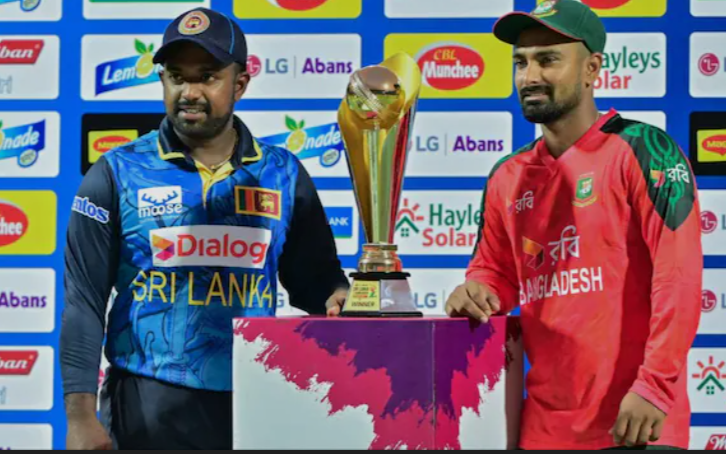
The cricket rivalry between these two Asian sides has evolved into a fascinating journey of growth, pressure, and transformation over the years. What began as a one sided contest gradually turned into a competitive battle where both teams tested each other across formats. Early matches highlighted experience gaps, but rising talent and improved structures brought balance to the contest. From ODI thrillers to Test match endurance battles, every phase of this timeline reflects changing strategies, player development, and shifting momentum. Fans from both nations have witnessed emotional highs, dramatic finishes, and unforgettable individual performances that shaped this rivalry into a respected cricketing storyline in international cricket history.
Recent Matches Table
Date
Match Format
Venue
Winner
Margin
20 September 2025
T20I
Dubai
Bangladesh
4 wickets
13 September 2025
T20I
Abu Dhabi
Sri Lanka
6 wickets
16 July 2025
T20I
Colombo
Bangladesh
8 wickets
13 July 2025
T20I
Dambulla
Bangladesh
83 runs
10 July 2025
T20I
Pallekele
Sri Lanka
7 wickets
8 July 2025
ODI
Pallekele
Sri Lanka
99 runs
5 July 2025
ODI
Colombo
Bangladesh
16 runs
Team Statistics Summary Table
Format
Total Played
Sri Lanka Won
Bangladesh Won
No Result / Drawn
Test
28
19
1
8
ODI
57
43
12
2
T20I
21
13
8
0
World Cup ODI
4
3
1
0
World Cup T20
3
2
1
0
Asia Cup T20
4
2
2
0
Overall Combined
117
82
25
10
Individual Batting Records Table
Player Name
Team
Matches
Total Runs
Highest Score
Batting Average
Strike Rate
Kusal Mendis
Sri Lanka
32
994
86
34.27
112.50
Pathum Nissanka
Sri Lanka
24
984
187
41.00
94.61
Mushfiqur Rahim
Bangladesh
38
963
175
33.20
79.45
Litton Das
Bangladesh
29
749
114
26.75
102.32
Najmul Hossain Shanto
Bangladesh
21
706
148
35.30
88.13
Angelo Mathews
Sri Lanka
27
645
145
40.31
82.44
Charith Asalanka
Sri Lanka
18
582
91
38.80
124.51
Individual Bowling Records Table
Player Name
Team
Matches
Overs Bowled
Total Wickets
Best Bowling
Economy Rate
Taskin Ahmed
Bangladesh
26
188.4
33
4/47
5.42
Mustafizur Rahman
Bangladesh
22
142.1
29
4/43
5.15
Wanindu Hasaranga
Sri Lanka
15
86.0
24
4/11
6.20
Shoriful Islam
Bangladesh
16
110.3
21
3/28
5.85
Nuwan Thushara
Sri Lanka
11
42.2
18
5/20
7.12
Mahedi Hasan
Bangladesh
12
44.0
14
4/11
6.45
Rishad Hossain
Bangladesh
10
38.5
13
3/22
6.91
Early Cricket Encounters and First Competitive Sparks
The opening phase of this cricket rivalry reflected a clear imbalance in experience and exposure at the international level. One side entered the contest with a stronger legacy, established players, and a more stable structure, while the other was still building its foundation in world cricket. In the earliest meetings, matches often leaned heavily toward one direction, but these games still played a crucial role in shaping confidence and long-term development. Over time, these encounters helped the emerging team understand the demands of top-level cricket, especially in handling pressure situations and adapting to different conditions. Although results were one-sided initially, the competitive spirit slowly began to grow, laying the foundation for a more balanced contest in later years. These early games also helped identify future match-winners who would later become central figures in the rivalry narrative.
Match Type
Early Dominant Side
Emerging Team Focus
Key Development Area
Rivalry Intensity
ODI
Experienced Side
Building batting stability
Handling pressure
Low
Test
Experienced Side
Defensive technique
Long format endurance
Low
Asia Cup
Experienced Side
Fielding improvement
Tournament exposure
Medium
Friendly Series
Mixed dominance
Squad experimentation
Skill development
Low
Bangladesh Cricket’s Rise and the Shift in Competitive Balance
As years progressed, the competitive gap between the two sides gradually started to narrow. The developing team began to show more confidence, especially in limited overs formats where aggressive intent and fearless batting started to define their approach. This phase marked a psychological shift, where they no longer entered matches expecting defeat but instead aimed to challenge and compete on equal terms. Improved domestic structures, better player conditioning, and exposure to global leagues played a major role in this transformation. The experienced side still held an edge, but matches became closer, and results began to fluctuate. This period also saw the emergence of young performers who were unafraid of reputation and played with growing maturity. The rivalry started gaining attention as contests became less predictable and more emotionally charged.
Match Type
Competitive Balance
Key Improvement Area
Tactical Change
Result Trend
ODI
Increasingly Balanced
Batting aggression
Faster scoring rate
Mixed
Test
Slight dominance retained
Defensive resilience
Longer partnerships
One-sided early, improving later
T20
Balanced
Power hitting
Aggressive field setups
Competitive
Tournament Games
Highly competitive
Match temperament
Flexible strategy
Unpredictable
First Major ODI Clashes That Changed the Tone of the Rivalry
The first major ODI encounters between the two teams marked a turning point in how the cricketing world viewed this matchup. What was once considered a predictable fixture slowly evolved into a contest filled with uncertainty and excitement. Both teams began approaching these matches with greater tactical planning, understanding that small moments could decide outcomes. Key performances from top-order batters and breakthrough spells from bowlers started shaping results more frequently. These matches also introduced fans to dramatic finishes, where games went down to the final overs, increasing emotional engagement on both sides. The confidence gained from these encounters played a vital role in shaping future performances and building a more competitive atmosphere in the rivalry.
ODI Phase
Winning Pattern
Key Performer Role
Match Decider Factor
Crowd Impact
Early ODIs
One-sided wins
Senior players
Top-order dominance
Low
Mid Phase
Alternating wins
All-rounders
Middle overs control
Medium
Modern ODIs
Closely fought
Finisher role
Death overs execution
High
Recent ODIs
Unpredictable
Team effort
Pressure handling
Very High
Test Cricket Battles and the Fight for Respect in the Longer Format
Test matches between these two sides highlighted the deeper technical and mental aspects of cricket. Unlike limited overs formats, patience and discipline became the deciding factors in this format. Early contests showed clear superiority from one side, especially in spin-friendly conditions, but the developing team gradually improved their defensive technique and ability to survive long sessions. Over time, Test matches became more competitive, with sessions swinging back and forth depending on partnerships and bowling spells. These encounters also revealed the importance of adapting to pitch conditions and maintaining concentration over extended periods. The longer format became a true test of character and skill, shaping players who later excelled in shorter formats as well.
Test Phase
Dominant Skill
Key Strength
Weakness Exploited
Match Duration Impact
Early Era
Spin bowling
Experience
Batting inexperience
Short matches
Middle Era
Batting improvement
Partnerships
Inconsistent bowling
Longer contests
Modern Era
Balanced skill
Adaptability
Pressure moments
Full duration battles
Recent Tests
Even contest
Mental strength
Small errors
Draw-heavy results
Asia Cup Showdowns and High Pressure Tournament Moments
Asia Cup encounters brought an entirely different level of intensity to this rivalry. The presence of regional pride, tournament pressure, and knockout implications made these matches emotionally charged and strategically complex. Both teams often fielded their strongest lineups, leading to high-quality cricket filled with dramatic momentum shifts. These games also produced some of the most memorable individual performances, where players rose to the occasion under pressure. Tactical decisions, such as bowling changes and batting order adjustments, played a crucial role in deciding outcomes. Fans from both nations treated these matches as more than just games, adding to the pressure experienced by players on the field.
Tournament Stage
Pressure Level
Key Strategy
Match Intensity
Outcome Pattern
Group Stage
Medium
Squad rotation
Moderate
Balanced
Super Stage
High
Strong XI selection
High
Competitive
Knockout
Very High
Defensive tactics
Extreme
Closely fought
Final
Maximum
Risk-based strategy
Intense
Unpredictable
Conclusion
Over time, this rivalry has matured into a balanced and emotionally charged cricket contest where neither side can be taken lightly. The journey reflects how determination, planning, and player development can reshape international outcomes. From early dominance to modern day competition, both teams have contributed memorable matches, standout performances, and intense moments under pressure. This timeline shows not just results but the evolution of two cricketing nations growing stronger together. Today, every encounter carries equal importance, with fans expecting high quality cricket, tactical battles, and moments that continue to define this enduring rivalry for years to come.