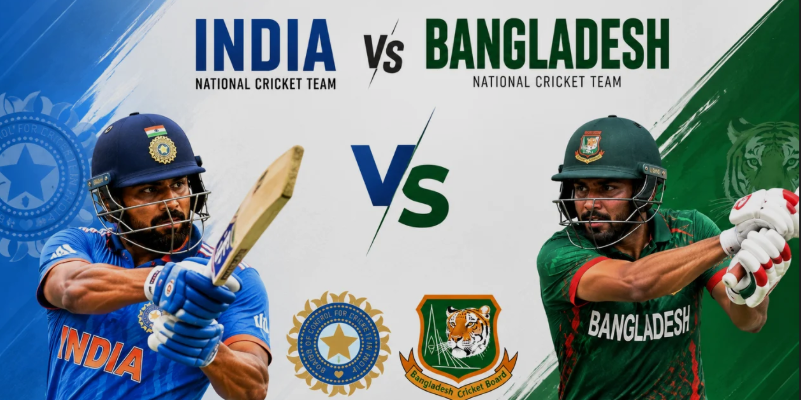
The timeline between these two international sides reflects a journey of evolution, pressure, and shifting dominance across eras of world cricket. What began as uneven contests gradually transformed into emotionally charged battles shaped by rising confidence, tactical growth, and unforgettable performances on both sides. Early meetings highlighted experience gaps, but over time, improved skill levels, better preparation, and fearless cricket brought a new balance to the rivalry. From ICC tournaments to Asia Cup clashes, each encounter added a new layer of intensity, creating moments that fans still remember. This cricketing timeline stands as a story of resilience, transformation, and competitive spirit that continues to grow with every match played between them.
Recent Matches
Date
Format
Venue
Winner
Margin
Top Scorer
Best Bowler
September 2025
T20I
Dubai
India
41 runs
Abhishek Sharma (75)
Ravi Bishnoi (3/18)
February 2025
ODI
Dubai
India
6 wickets
Shubman Gill (68)
Jasprit Bumrah (3/32)
October 2024
T20I
Hyderabad
India
133 runs
Sanju Samson (111)
Ravi Bishnoi (3/30)
October 2024
T20I
New Delhi
India
86 runs
Nitish Kumar Reddy (74)
Varun Chakravarthy (3/19)
October 2024
T20I
Gwalior
India
7 wickets
Hardik Pandya (39)
Arshdeep Singh (3/14)
October 2024
Test
Kanpur
India
7 wickets
Yashasvi Jaiswal (72)
Ravichandran Ashwin (3/50)
September 2024
Test
Chennai
India
280 runs
Ravichandran Ashwin (113)
Ravichandran Ashwin (6/88)
Team Statistics Summary
Format
Total Matches
India Wins
Bangladesh Wins
No Result / Draws
India Win %
Bangladesh Win %
Test Matches
15
13
0
2
86.66
0.00
One Day Internationals
42
33
8
1
78.57
19.04
Twenty20 Internationals
18
17
1
0
94.44
5.55
Overall Combined
75
63
9
3
84.00
12.00
Individual Batting Records
Batsman
Team
Matches
Innings
Total Runs
Highest Score
Batting Average
Sachin Tendulkar
India
20
21
1316
248
73.11
Virat Kohli
India
22
22
1297
204
68.26
Mushfiqur Rahim
Bangladesh
38
41
1184
127
32.88
Tamim Iqbal
Bangladesh
31
33
1092
151
34.12
Rohit Sharma
India
33
32
1065
137
39.44
Shakib Al Hasan
Bangladesh
35
37
1021
82
29.17
Cheteshwar Pujara
India
7
10
563
114
62.55
Individual Bowling Records
Bowler
Team
Matches
Innings
Wickets
Best Bowling
Bowling Average
Ravichandran Ashwin
India
12
18
45
6/88
21.15
Shakib Al Hasan
Bangladesh
35
39
42
5/36
33.45
Mustafizur Rahman
Bangladesh
21
22
31
6/43
28.19
Mashrafe Mortaza
Bangladesh
24
24
26
4/38
36.07
Zaheer Khan
India
9
12
25
7/87
24.08
Ishant Sharma
India
7
11
25
5/22
19.28
Umesh Yadav
India
8
12
24
5/53
22.50
Early Foundations of Rivalry in International Cricket
The beginning phase of this cricketing rivalry was shaped by a clear gap in experience, exposure, and match temperament. One team entered the international arena with a strong legacy of dominance in world cricket, while the other was still building its identity among elite nations. Early encounters reflected one-sided contests where batting depth, bowling discipline, and fielding sharpness created a visible difference. However, even in those early matches, there were moments where the emerging side showed flashes of resistance, especially in batting partnerships and brief bowling spells. Over time, these small moments built curiosity among fans, slowly transforming predictable outcomes into competitive anticipation. The emotional backdrop also grew as regional familiarity added intensity to every meeting. What started as routine fixtures gradually developed into emotionally charged contests watched closely by fans from both nations, setting the foundation for a rivalry that would evolve significantly in later years.
Team
Early Strength
Weakness
Key Player
Match Trend
India
Batting depth
Occasional slow starts
Top order batsmen
Dominant
Bangladesh
Emerging talent
Inexperience
Young all rounders
Struggling
India
Spin attack
Death over inconsistency
Spinners
Controlled
Bangladesh
Fighting spirit
Fielding gaps
Middle order
Improving
First Major ICC Encounters and Rising Pressure
As ICC tournaments began featuring regular clashes between these two sides, the pressure dynamics shifted noticeably. Global stages such as World Cups and continental championships brought higher stakes, where every over carried psychological weight. The stronger side often relied on its seasoned batting lineup and disciplined bowling attack, while the developing team started adopting more aggressive approaches, especially in powerplay overs. These matches introduced the world to a more competitive version of the rivalry. Even when results favored one side, individual performances from the underdog team began drawing attention. Key batting partnerships and breakthrough bowling spells signaled a narrowing gap. Fans started expecting upsets, and media narratives began highlighting potential breakthroughs. These ICC meetings laid the groundwork for a rivalry that was no longer predictable but evolving into a contest of nerves, strategy, and growing confidence on the international stage.
Tournament
Dominant Side
Key Moment
Turning Point
Impact
ODI World Cup
India
Strong top order
Early wickets
One sided
Asia Cup
India
Spin control
Middle overs pressure
Controlled
ICC Events
Bangladesh
Batting resistance
Partnership building
Competitive
Knockouts
India
Experience factor
Death overs
Decisive
Shock Victory Era and Confidence Shift
A defining chapter arrived when the underdog side delivered a historic shock victory in a major global tournament. This moment completely reshaped perceptions and injected new life into the rivalry. The match was marked by fearless batting, disciplined bowling, and sharp fielding that disrupted the expected outcome. On the other hand, the traditionally dominant side struggled with early wickets and failed to recover momentum. This result was not just a win but a psychological breakthrough, proving that rankings and reputation could be challenged on the field. The emotional reaction from fans was massive, with celebrations marking a turning point in cricket history for the winning nation. For the opposition, it triggered introspection and tactical reassessment. This single encounter elevated the rivalry from predictable dominance to genuine competition, influencing future strategies and increasing pressure in every subsequent meeting.
Match
Winner
Key Performer
Turning Factor
Result Type
World Cup Clash
Bangladesh
All round performance
Early breakthroughs
Upset
Group Stage
India
Batting lineup
Recovery phase
Competitive
ICC Event
Bangladesh
Middle order
Partnerships
Historic
Pressure Match
India
Experience
Death overs
Narrow
Asia Cup Battles and Tactical Adjustments
Frequent encounters in continental tournaments intensified tactical planning on both sides. One team focused heavily on spin dominance and controlled middle overs, while the other experimented with aggressive batting orders and flexible bowling rotations. These matches became laboratories for strategy, where captains tested new combinations and players adapted under pressure. Scorecards from this phase often reflected fluctuating momentum rather than one-sided control. Even in losses, the underdog team managed to push games into deeper phases, creating tension for the opposition. The stronger side, meanwhile, learned to adapt quickly, tightening field placements and improving death over execution. Fans witnessed a shift from predictable dominance to strategic battles where small decisions influenced outcomes. These Asia Cup meetings played a major role in transforming the rivalry into a more balanced and tactically rich contest.
Edition
Dominant Phase
Key Strategy
Star Performer
Outcome
Asia Cup
India spin control
Defensive field
Senior batsmen
Win
Asia Cup
Bangladesh aggression
Powerplay attack
Openers
Close loss
T20 Cup
Balanced contest
Death overs focus
Bowlers
Tight match
ODI Cup
Mixed phases
Rotation policy
All rounders
Competitive
Evolution of Player Rivalries and Match Impact
As the rivalry matured, individual matchups began defining outcomes more than team dominance alone. Experienced batters from the stronger side often faced rising fast bowlers who had gained confidence over time. Similarly, world-class bowlers tested emerging middle order batters under pressure situations. These player-level battles added emotional depth to every encounter. Leadership also became crucial, with captains playing a key role in field placements, bowling changes, and batting order decisions. Over time, statistical gaps began narrowing as younger players gained exposure and confidence. The emotional intensity on the field increased, with every wicket and boundary carrying visible reactions from both teams. These individual rivalries contributed significantly to making matches more unpredictable and engaging for fans.
Player Matchup
Batting Side
Bowling Side
Advantage
Impact
Top order vs pace
India
Bangladesh
Balanced
Key battles
Middle order vs spin
Bangladesh
India
India
Pressure phase
Finisher vs death bowling
India
Bangladesh
India
Match defining
All rounders clash
Mixed
Mixed
Even
Strategic
High Pressure Knockout Encounters
Knockout matches added another level of intensity where mistakes became costly and execution became critical. In these games, the experienced side often relied on composure and structured gameplay, while the emerging team played with aggressive intent and risk-taking mindset. These contrasting approaches led to dramatic momentum shifts throughout innings. Early wickets often dictated match direction, while middle overs became decisive phases. Scorecards from these encounters frequently showed pressure-driven collapses or recovery partnerships. Fans experienced heightened emotions as each over brought new possibilities. Tactical decisions such as bowling changes and batting order adjustments had significant impact on outcomes. These knockout encounters strengthened the rivalry’s reputation as a contest where pressure defined performance more than reputation.
Match Type
Pressure Level
Key Moment
Dominant Factor
Result Pattern
Semi final
High
Early wickets
Experience
Controlled win
Quarter final
Medium
Partnership
Batting depth
Close finish
ICC clash
High
Death overs
Bowling accuracy
Tight game
Knockout
Extreme
Collapse phase
Pressure handling
Decided early
T20 Era Fast Pace Transformation
With the rise of T20 cricket, the rivalry entered a fast-paced and unpredictable phase. Matches became shorter, more aggressive, and heavily dependent on explosive batting and death over execution. The underdog side often surprised with quick starts, while the stronger team relied on finishing strength and disciplined bowling. These matches were filled with momentum swings, where a single over could change the entire game. Fielding standards also played a crucial role, with run-outs and diving stops becoming match-defining moments. The T20 format made the rivalry more entertaining for global audiences, as close finishes became more frequent. Scorecards often reflected high strike rates and narrow margins, showing how competitive the matches had become compared to earlier formats.
Format
Key Strength
Weakness
Turning Point
Outcome
T20
Power hitting
Inconsistency
Death overs
Close win
T20
Bowling attack
Fielding errors
Middle overs
Competitive
T20
Batting depth
Pressure handling
Final overs
Narrow finish
T20
All round play
Early wickets
Powerplay
Balanced
Modern Era Balance and Rivalry Legacy
In the modern phase, the rivalry has evolved into a more balanced and strategically complex contest. Both sides now possess world-class players capable of changing match outcomes individually. Fitness levels, analytics, and data-driven strategies have become central to preparation. Matches are no longer predictable, as both teams have won games under different conditions and formats. Emotional intensity remains high, but it is now matched with professionalism and tactical awareness. Fans continue to expect competitive contests regardless of ranking differences. The rivalry has grown into one of the most followed matchups in Asian cricket, symbolizing growth, competition, and evolving cricket standards. Each encounter now adds a new chapter to a long and emotionally charged timeline.
Era
Dominance
Strategy
Key Factor
Outcome
Early
One sided
Basic plans
Experience gap
Clear wins
Middle
Competitive
Tactical play
Adaptation
Balanced
Modern
Even
Data driven
Execution
Unpredictable
Current
Mixed
Flexible plans
Pressure handling
Close contests
Conclusion
Over the years, this cricketing timeline has evolved from predictable outcomes into a genuinely competitive rivalry filled with drama, strategy, and emotional highs. Both teams have contributed defining moments that reshaped expectations and strengthened the contest’s global appeal. While one side initially dominated through experience and depth, the other gradually built confidence through key victories and standout performances. Modern encounters now reflect balance, where small tactical decisions and individual brilliance decide outcomes. Fans from both nations continue to invest emotionally in every match, making this rivalry one of the most engaging narratives in international cricket history.