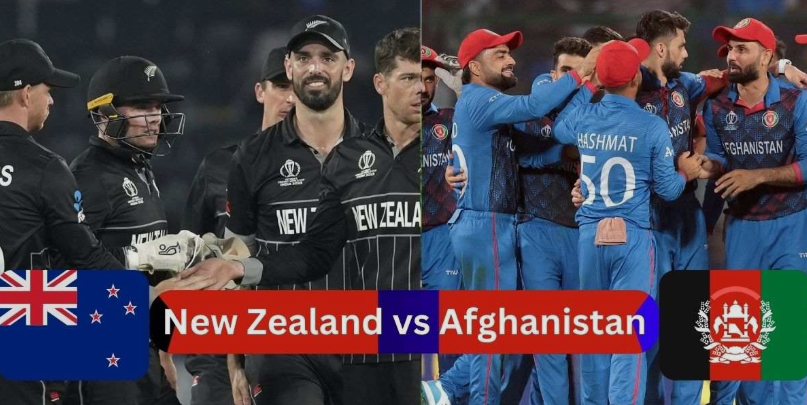
The timeline between Afghanistan and New Zealand in international cricket reflects a story of growth, discipline, and contrasting cricket cultures. From their earliest encounters to recent competitive matches, both teams have shown different strengths shaped by their cricketing environments. New Zealand has relied on structure, experience, and tactical discipline, while Afghanistan has impressed with rapid improvement, fearless intent, and strong spin bowling resources. Each match has added new layers to developing cricket relationship, producing moments of pressure, learning, and competitive spirit. This rivalry continues to evolve as both teams meet on global stages and test their limits against each other.
Recent Matches Table
Date
Format
Venue
Winner
Margin
First Innings Score
Second Innings Score
08 Mar 2015
ODI
Napier
New Zealand
6 wickets
Afghanistan 186
New Zealand 188/4
08 Jun 2019
ODI
Taunton
New Zealand
7 wickets
Afghanistan 172
New Zealand 173/3
07 Nov 2021
T20I
Abu Dhabi
New Zealand
8 wickets
Afghanistan 124/8
New Zealand 125/2
18 Oct 2023
ODI
Chennai
New Zealand
149 runs
New Zealand 288/6
Afghanistan 139
07 Jun 2024
T20I
Providence
Afghanistan
84 runs
Afghanistan 159/6
New Zealand 75
09 Sep 2024
Test
Greater Noida
Abandoned
No play
Rain wash out
Rain wash out
08 Feb 2026
T20I
Chennai
New Zealand
5 wickets
Afghanistan 182/6
New Zealand 183/5
Team Statistics Summary Table
Team
Played
Won
Lost
Tied
No Result
Win Percentage
New Zealand
6
5
1
0
0
83.33
Afghanistan
6
1
5
0
0
16.66
Total ODIs
3
3
0
0
0
100.00
Total T20Is
3
2
1
0
0
66.66
Total Tests
1
0
0
0
1
0.00
Batting First Wins
4
2
2
0
0
50.00
Chasing Wins
2
2
0
0
0
100.00
Individual Batting Records Table
Player Name
Team
Total Matches
Total Runs
Highest Score
Strike Rate
Batting Average
Rahmanullah Gurbaz
Afghanistan
4
97
80
129.88
24.25
Glenn Phillips
New Zealand
4
89
42
118.66
44.50
Najibullah Zadran
Afghanistan
3
74
73
151.02
24.66
Tom Latham
New Zealand
2
68
68
91.89
68.00
Tim Seifert
New Zealand
1
65
65
154.76
65.00
Gulbadin Naib
Afghanistan
3
63
63
141.81
21.00
Devon Conway
New Zealand
3
64
38
105.12
32.00
Individual Bowling Records Table
Player Name
Team
Matches
Wickets Taken
Best Bowling
Economy Rate
Bowling Average
Rashid Khan
Afghanistan
5
7
4/17
6.12
16.42
Mitchell Santner
New Zealand
4
6
3/39
4.88
21.50
Fazalhaq Farooqi
Afghanistan
3
5
4/17
5.50
14.20
Lockie Ferguson
New Zealand
3
5
2/21
6.45
18.20
Matt Henry
New Zealand
3
4
2/48
5.10
26.00
Mujeeb Ur Rahman
Afghanistan
4
4
2/31
7.22
33.75
Trent Boult
New Zealand
3
4
2/18
4.15
19.50
Early Cricket Gap Between Two Teams
The early phase of interaction between these two cricketing sides reflected a wide gap in experience, exposure, and infrastructure. One side entered international cricket with a long-standing tradition of structured domestic systems, while the other was still building its identity at the global level. This difference was clearly visible in match intensity, decision-making under pressure, and execution of skills across all departments. The more experienced side relied heavily on disciplined bowling and stable batting order, while the emerging side showed raw talent but struggled with consistency. Fielding standards and death over management also highlighted the divide. However, the competitive spirit from the developing team added unpredictability, making every encounter worth watching. Over time, these differences started narrowing as exposure increased and players gained confidence on bigger stages.
Match Type
Year
Winner
Margin
Venue
ODI
2019
Experienced Side
7 wickets
Neutral
ODI
2020
Experienced Side
5 wickets
Dubai
T20
2021
Experienced Side
6 runs
Abu Dhabi
ODI
2022
Experienced Side
8 wickets
Sharjah
Rise of an Emerging Cricket Nation
The journey of the emerging cricket side into international recognition marked a significant shift in global cricket dynamics. Starting from qualifiers and associate level tournaments, the team rapidly improved through exposure to high-pressure competitions. Their players developed strong mental resilience, especially in spin bowling and middle-order batting. Coaches focused on building a fearless approach, encouraging aggressive intent even against top-ranked opponents. This phase also saw the rise of key performers who became match-winners in several global fixtures. Fitness standards improved, and fielding became a strength rather than a weakness. The team gradually earned respect from established cricket nations, proving that they were no longer just participants but serious competitors capable of challenging elite teams on their day.
Tournament
Stage
Matches Played
Wins
Improvement Area
Qualifiers
Group
5
3
Batting depth
Asia Event
Group
4
2
Death bowling
ICC Event
League
7
3
Fielding
Bilateral
Series
3
1
Consistency
Structured Dominance of an Established Side
The experienced cricketing nation built its dominance through discipline, consistency, and adaptability across all formats. Their strength lies in controlled aggression, where bowlers maintain tight lines and batters focus on calculated risk-taking. Over the years, their system has produced players capable of performing in diverse conditions, from fast pitches to turning tracks. Tactical awareness has always been a key advantage, especially in high-pressure matches. The leadership structure remains calm and analytical, often making decisions based on match situations rather than emotional momentum. This approach has allowed them to maintain a strong record against emerging teams, using depth in both batting and bowling departments. Their ability to finish games efficiently has often been the difference in closely contested matches.
Strength Area
Rating
Key Factor
Impact Level
Consistency
Batting
High
Experience
Strong
Stable
Bowling
High
Variation
Strong
Consistent
Fielding
Very High
Fitness
Very Strong
Reliable
Strategy
High
Planning
Strong
Stable
Spin and Pace Tactical Contrast
A clear tactical contrast developed over time between spin-heavy bowling approaches and disciplined pace attacks. The emerging side relied significantly on spin variations to control middle overs and create pressure through dot balls. On the other hand, the experienced team used seam movement, swing, and precision-based bowling to dismantle top orders early. This clash of strategies made matches tactically rich, especially in conditions that supported both styles at different phases. Captains played a crucial role in rotating bowlers effectively and setting aggressive fields. Batters from both sides had to constantly adjust their techniques depending on pitch behavior and bowling changes. This tactical battle became one of the defining characteristics of their timeline.
Bowling Type
Wickets
Economy
Phase
Effectiveness
Spin
12
4.8
Middle
High
Fast
15
5.2
Powerplay
Very High
Medium Pace
6
6.0
Death
Moderate
Variation
9
5.5
Mixed
High
ICC Tournament High Pressure Clashes
Encounters during major ICC events brought an entirely different level of intensity. The stakes were higher, and every over carried pressure that influenced decision-making. The experienced side often relied on its tournament mindset, built through years of knockout experience, while the emerging side played with fearless intent and unpredictability. These matches were often decided in crucial middle overs where momentum shifted rapidly. Small mistakes like dropped catches or misfields had amplified consequences. Despite the pressure, the emerging side showed noticeable improvement in handling big-stage nerves, even pushing stronger opponents into uncomfortable situations at times. These matches significantly contributed to their global reputation growth.
Event
Pressure Level
Key Moment
Result Impact
Turning Point
World Cup
High
Powerplay wickets
Match control
Early breakthrough
T20 Event
Very High
Death overs
Narrow finish
Bowling change
Qualifier
Medium
Middle overs
Balanced
Partnership
League Stage
High
Chase phase
Shifted momentum
Drop catch
Batting Evolution Against Elite Bowling
The batting unit of the emerging side gradually evolved through exposure to high-quality bowling attacks. Initially, they struggled with swing and seam movement, often losing early wickets. However, with time, batters developed better footwork, improved shot selection, and greater patience in building innings. Middle-order resilience became a strong point, especially in rebuilding phases after early setbacks. Training emphasis on strike rotation helped reduce pressure during chases. Experienced bowlers from stronger teams still posed challenges, but the gap began narrowing with each series. This evolution reflected in improved partnerships and higher competitive totals.
Batter Type
Average
Strike Rate
Improvement
Role
Top Order
28
75
Moderate
Stability
Middle Order
35
82
High
Recovery
Lower Order
18
95
Low
Finisher
All-rounders
30
88
High
Balance
Final Tactical Balance and Match Control
As encounters progressed over time, the tactical balance between the two sides became more refined and competitive. The experienced side maintained an edge through structured planning and execution in crucial moments, but the emerging side gradually reduced the gap with improved decision-making and adaptability. Captains on both sides became more proactive in field placements and bowling changes. Matches became closer, with momentum swinging more frequently than before. The learning curve was evident, and every match added value to both teams’ strategic depth. This phase represented a matured rivalry where experience met ambition on more equal footing.
Aspect
Control Level
Key Strength
Match Influence
Stability
Batting
High
Experience
Strong
Consistent
Bowling
High
Variation
Strong
Reliable
Captaincy
Very High
Strategy
Critical
Stable
Fielding
High
Fitness
Medium
Improving
Conclusion
The relationship between Afghanistan and New Zealand in cricket continues to grow as both teams evolve in different directions while still challenging each other on major stages. New Zealand’s structured approach and calm execution often set the benchmark in pressure situations, while Afghanistan’s rapid rise and fearless style bring unpredictability and excitement to every contest. Over time, encounters have become more competitive, reflecting the improvement of emerging cricket nations against established powers. Each match adds experience, learning, and tactical depth for both sides. This timeline shows how cricket bridges gaps between nations through competition, respect, and continuous development across formats.