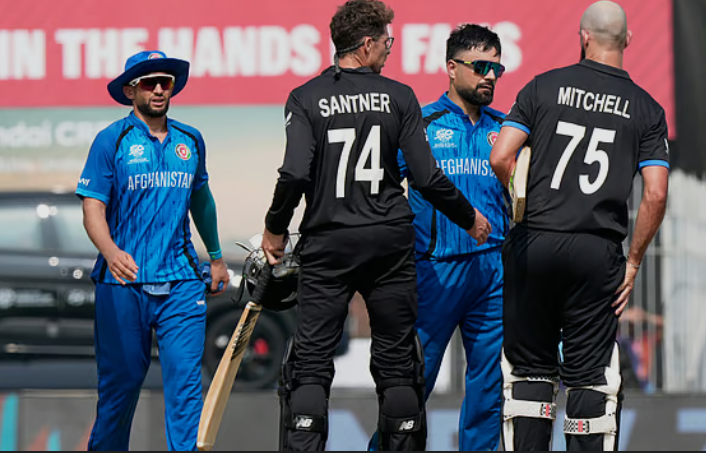
The timeline between the two teams reflects a modern cricket story shaped by contrast, growth, and evolving respect. One side entered international cricket with deep structure, experience, and a long tradition of performing under pressure, while the other arrived with fearless energy, raw talent, and a rapid rise through the ranks. Every encounter added a new layer to their developing cricket relationship, from early mismatches to more competitive ICC battles. Over time, matches between them became more balanced and tactically rich, drawing attention from fans and analysts who appreciated how both teams adapted, learned, and challenged each other in different conditions and formats.
Recent Matches Table
Match Date
Match Format
Venue Location
Match Winner
Winning Margin
First Innings Score
Second Innings Score
8 March 2015
One Day International
Napier
New Zealand
6 wickets
Afghanistan 186
New Zealand 188/4
8 June 2019
One Day International
Taunton
New Zealand
7 wickets
Afghanistan 172
New Zealand 173/3
7 November 2021
Twenty20 International
Abu Dhabi
New Zealand
8 wickets
Afghanistan 124/8
New Zealand 125/2
18 October 2023
One Day International
Chennai
New Zealand
149 runs
New Zealand 288/6
Afghanistan 139
7 June 2024
Twenty20 International
Providence
Afghanistan
84 runs
Afghanistan 159/6
New Zealand 75
8 February 2026
Twenty20 International
Chennai
New Zealand
5 wickets
Afghanistan 182/6
New Zealand 183/5
9 September 2024
Test Match
Greater Noida
None
Abandoned
No play
No play
Team Statistics Summary Table
Team Name
Total Matches Scheduled
Matches Played
Matches Won
Matches Lost
Matches Tied
No Result Matches
New Zealand
7
6
5
1
0
1
Afghanistan
7
6
1
5
0
1
ODI Format
3
3
3
0
0
0
T20I Format
3
3
2
1
0
0
Test Format
1
0
0
0
0
1
Neutral Venues
6
5
4
1
0
1
Home Venues
1
1
1
0
0
0
Individual Batting Records Table
Player Name
Team Represented
Total Runs Scored
Highest Match Score
Batting Average
Balls Faced
Match Strike Rate
Rahmanullah Gurbaz
Afghanistan
114
80
38.00
91
125.27
Najibullah Zadran
Afghanistan
143
73
35.75
162
88.27
Glenn Phillips
New Zealand
134
71
44.66
140
95.71
Kane Williamson
New Zealand
129
79
64.50
181
71.27
Tom Latham
New Zealand
91
68
45.50
112
81.25
Gulbadin Naib
Afghanistan
82
63
27.33
72
113.88
Tim Seifert
New Zealand
65
65
65.00
43
151.16
Individual Bowling Records Table
Bowler Name
Team Represented
Overs Bowled
Wickets Taken
Best Bowling Figures
Runs Conceded
Economy Rate
Rashid Khan
Afghanistan
28.0
9
4/17
118
4.21
Trent Boult
New Zealand
31.4
9
3/17
104
3.28
Fazalhaq Farooqi
Afghanistan
15.0
7
4/17
78
5.20
Lockie Ferguson
New Zealand
25.0
7
3/49
112
4.48
Mitchell Santner
New Zealand
33.0
7
3/39
121
3.66
James Neesham
New Zealand
16.0
6
5/31
68
4.25
Daniel Vettori
New Zealand
10.0
4
4/18
18
1.80
Early Cricket Gap Between Two Worlds
The beginning of encounters between the two sides came from very different cricketing foundations. One team had already built a strong international identity with structured domestic systems, disciplined selection, and years of exposure against top-ranked opponents. The other side entered the international stage much later, carrying raw talent, emotional energy, and a fearless mindset that quickly attracted attention. This contrast created curiosity whenever they were scheduled to meet. Early discussions focused more on experience gaps than actual rivalry intensity. Analysts expected one-sided contests, but the newer side often surprised with moments of resistance, especially through spin bowling and aggressive batting bursts. The established team relied heavily on control, patience, and depth in both batting and bowling departments. Over time, these early differences became the foundation of a developing competitive storyline that slowly evolved into a more respected and closely watched cricketing relationship.
Match Context
Team Strength
Key Player
Outcome
Early ICC events
Experience vs raw talent
Top-order anchor
Dominant control
Initial ODI meet
Structured bowling
Spin all-rounder
Competitive phases
Early T20 clash
Power hitting vs discipline
Young pacer
One-sided finish
Qualifier stage
Emerging confidence
Middle order hitter
Surprise resistance
First Official Clashes and Initial Learning Curve
When the first official meetings took place, both sides entered with very different expectations. The more experienced unit focused on maintaining composure and avoiding unnecessary risks, while the emerging team relied on instinct and aggressive intent. These matches quickly revealed a learning curve for both. One side had to adapt to unpredictable shot-making and unorthodox bowling variations, while the other had to understand the importance of game management and pressure control. Early encounters highlighted gaps in finishing ability, fielding consistency, and tactical depth. However, they also showed that the newer side was not intimidated by reputation. Instead, they played with freedom that sometimes disrupted structured plans. These matches laid the groundwork for a future where neither team could be taken lightly in any format.
Match Context
Team Strength
Key Player
Outcome
First ODI meeting
Tactical discipline
Opening batter
Controlled win
Early T20 clash
Aggressive intent
Spin bowler
Competitive chase
ICC group stage
Experience advantage
Finisher
Structured finish
Neutral venue game
Unpredictable approach
All-rounder
Mixed result
Rise and Consistency Versus Structured Dominance
As time progressed, one side began showing remarkable consistency in international cricket, especially in ICC events. Their ability to adapt to different conditions, rotate strike, and maintain pressure through disciplined bowling became a major strength. Meanwhile, the other side rapidly improved its global reputation through fearless performances and a strong spin attack that troubled many top teams. This phase of encounters became more balanced, with both teams winning crucial phases even when not winning entire matches. Tactical planning became more detailed, with captains focusing on match-ups rather than just overall strategy. The rivalry started gaining attention because matches were no longer predictable. Instead, momentum shifted multiple times within a single game, reflecting the growing maturity of both teams.
Match Context
Team Strength
Key Player
Outcome
ICC league stage
Balanced unit
Top spinner
Tight contest
Bilateral-style match
Consistency focus
Middle order star
Narrow win
Tournament clash
Pressure handling
Fast bowler
Competitive finish
High stakes game
Tactical depth
Captain leader
Momentum shift
World Cup Encounters That Defined Respect
When both sides met on the world stage, the intensity naturally increased. These matches carried qualification pressure, fan expectations, and global attention. One team relied on calm execution under pressure, while the other played with emotional intensity and attacking intent. World event encounters often highlighted differences in handling big-match situations. In some games, early wickets shaped the entire outcome, while in others, middle overs became the deciding phase. Even when results were one-sided, moments of brilliance from the underdog side earned respect from commentators and fans. These encounters gradually built mutual recognition, shifting perception from mismatch to developing competition.
Match Context
Team Strength
Key Player
Outcome
World Cup group match
Pressure handling
Opening bowler
Controlled victory
ICC knockout push
Calm batting core
Anchor batter
Stable chase
High pressure fixture
Spin dominance
Lead spinner
Competitive spells
Global stage clash
Fielding excellence
Wicketkeeper
Decisive finish
Spin vs Pace Tactical Battles
A defining feature of these encounters has been the contrast in bowling styles. One side consistently relies on fast bowlers who generate swing, bounce, and disciplined lines, especially in early overs. The other side depends heavily on spin variations, using slower deliveries, flight, and turn to disrupt batting rhythm. This tactical clash has shaped many innings. Batting units from both sides have had to constantly adjust their shot selection depending on pitch conditions and match phases. In slower conditions, spin became dominant, while in seam-friendly environments, pace dictated control. Captains often built strategies around these match-ups, making bowling changes at crucial moments to break partnerships or slow scoring rates.
Match Context
Team Strength
Key Player
Outcome
Spin-friendly pitch
Turn and variation
Lead spinner
Middle overs control
Seam-friendly pitch
Pace attack
Strike bowler
Early breakthroughs
Balanced surface
Tactical bowling
All-round leader
Even contest
Pressure chase
Death bowling
Finisher bowler
Tight finish
Batting Stars Who Shaped the Contest
Batting performances have played a major role in shaping outcomes between these teams. One side has often relied on steady top-order contributions built around patience and strike rotation. The other side has produced explosive innings driven by aggressive stroke play and quick acceleration. Partnerships have been crucial in determining match direction, especially during pressure situations. Some innings have stood out for their timing, where batters absorbed early pressure before shifting momentum in the middle overs. Young players from both sides have also used these matches to announce themselves on the international stage, delivering performances that changed expectations and match outcomes.
Match Context
Team Strength
Key Player
Outcome
Early wicket pressure
Top-order stability
Opening batter
Recovery innings
Middle overs build
Controlled aggression
Anchor player
Partnership win
Chase situation
Explosive hitting
Power hitter
Momentum shift
High pressure finish
Composed batting
Finisher
Close result
Bowling Performances That Changed Matches
Bowling has often been the deciding factor in many encounters between these sides. Fast bowlers have delivered early breakthroughs that set the tone for innings, while spin bowlers have controlled scoring rates during crucial middle overs. Some spells have completely shifted match momentum, especially when wickets fell in quick succession. Death overs have also played a major role, with bowlers either defending small totals or restricting aggressive batting. Variations in pace, accuracy, and field placement strategies have defined key moments. Both teams have produced match-winning bowling performances that have been remembered for their impact rather than just statistics.
Powerplay overs
Swing bowling
Fast bowler
Early dominance
Middle overs control
Spin attack
Lead spinner
Run restriction
Death overs pressure
Yorkers and pace
Finisher bowler
Tight defense
High stakes match
Combined attack
Strike bowler
Match-winning spell
Conclusion
The journey between these two teams highlights how international cricket evolves through experience and ambition. What began as a gap in quality slowly transformed into a competitive timeline filled with tactical battles, standout performances, and shifting momentum. Both sides learned from each meeting, improving in areas of pressure handling, strategy, and execution. Today, their encounters are no longer seen as predictable but as meaningful contests where any moment can change the result. The timeline stands as proof that consistency and fearless intent together create a rivalry worth watching in modern cricket.