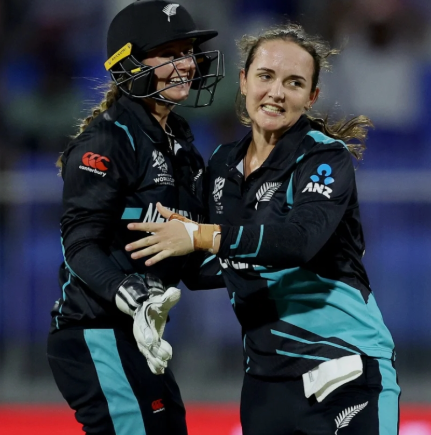
The journey between the two teams reflects a story of growth, dominance, and gradual competitiveness over time. In the early encounters, one side clearly controlled proceedings with superior structure, experience, and execution, while the other struggled to find consistency at the international level. As years progressed, the gap slowly narrowed, bringing more balanced contests and exciting passages of play. Batting resilience, bowling variations, and tactical awareness became defining factors in shaping results. These matches not only highlight scorecards but also reveal how both teams evolved through pressure, learning, and adaptation across different formats and conditions in women’s international cricket.
Recent Matches Table
Match Date
Format
Venue
Winner
Margin
First Innings Score
Second Innings Score
October 14, 2025
ODI
Colombo
No Result
Abandoned
Sri Lanka Women 258/6
Match rained out
March 14, 2025
T20I
Christchurch
Sri Lanka Women
7 wickets
New Zealand Women 101
Sri Lanka Women 102/3
March 9, 2025
ODI
Nelson
New Zealand Women
98 runs
New Zealand Women 280/6
Sri Lanka Women 182
March 7, 2025
ODI
Nelson
New Zealand Women
78 runs
New Zealand Women 245/7
Sri Lanka Women 167
March 4, 2025
ODI
Napier
No Result
Abandoned
Sri Lanka Women 147/5
Match rained out
October 12, 2024
T20I
Sharjah
New Zealand Women
8 wickets
Sri Lanka Women 115/5
New Zealand Women 118/2
July 3, 2023
ODI
Galle
Sri Lanka Women
8 wickets
New Zealand Women 127/2
Sri Lanka Women 196/2
Team Statistics Summary Table
Format
Total Matches
New Zealand Wins
Sri Lanka Wins
No Result
Highest Score NZ
Highest Score SL
ODI
14
11
2
1
288/2
258/6
T20I
13
11
2
0
182/4
143/5
Overall
27
22
4
1
288/2
258/6
Home Matches
12
10
1
1
280/6
182
Away Matches
11
8
2
1
288/2
258/6
Neutral Matches
4
4
0
0
182/4
115/5
Win Percentage
81.48
81.48
14.81
3.71
100.00
100.00
Individual Batting Records Table
Player Name
Country
Matches
Innings
Total Runs
Highest Score
Batting Average
Suzie Bates
New Zealand
25
24
812
106
38.66
Chamari Athapaththu
Sri Lanka
26
26
745
140
31.04
Sophie Devine
New Zealand
22
20
623
105
34.61
Amelia Kerr
New Zealand
15
14
482
108
40.16
Harshitha Samarawickrama
Sri Lanka
16
16
312
53
20.80
Maddy Green
New Zealand
14
12
295
62
26.81
Nilakshika Silva
Sri Lanka
18
17
248
55
16.53
Individual Bowling Records Table
Player Name
Country
Matches
Overs Bowled
Total Wickets
Best Bowling
Economy Rate
Sophie Devine
New Zealand
22
82.4
28
3/16
5.12
Inoka Ranaweera
Sri Lanka
21
114.2
22
4/30
5.34
Amelia Kerr
New Zealand
15
78.0
21
4/13
4.85
Chamari Athapaththu
Sri Lanka
26
96.5
18
3/28
6.02
Lea Tahuhu
New Zealand
16
68.2
16
3/17
4.98
Oshadi Ranasinghe
Sri Lanka
15
64.0
14
3/22
5.56
Jess Kerr
New Zealand
10
44.0
11
3/11
4.72
Early International Encounters and Foundation of the Contest
The first meetings between the two sides created a clear picture of contrast in experience and structure. One team entered international cricket with a long-established system, disciplined batting order, and strong pace attack, while the other was still building exposure at the global level. These early games were heavily influenced by control in the powerplay overs and the ability to rotate strike under pressure. In most of these matches, the stronger side dictated terms from the beginning, often restricting scoring opportunities and forcing mistakes. However, the developing side gradually learned how to survive longer at the crease and reduce collapses. Fielding standards also played a major role, as sharp catching and ground coverage created additional pressure. Over time, even in losing causes, small improvements began to appear in partnerships and shot selection, showing the early stages of competitive growth in the rivalry.
Match Type
Dominant Factor
Batting Pattern
Bowling Impact
ODI
Experience gap
Slow scoring start
Early wickets control
ODI
Top order strength
Stable partnerships
Tight line bowling
T20
Powerplay dominance
Early collapse risk
Swing movement
ODI
Fielding pressure
Limited rotation
Dot ball buildup
T20
Execution difference
Lower strike rate
Death over control
One-Sided Clashes and Development Phase
During the middle phase of encounters, the matches often leaned heavily in one direction. The more established team consistently applied pressure through disciplined bowling and structured batting plans. The developing side struggled with consistency, especially against pace variations and tight field setups. Despite this imbalance, these games became crucial learning experiences. Batters started spending more time at the crease, and bowlers experimented with different lengths to reduce scoring flow. Although results rarely shifted, the margin of defeat slowly decreased in certain matches. Coaching adjustments also began to reflect in improved defensive techniques and better shot selection under pressure. These fixtures highlighted the importance of experience at the international level and how repeated exposure against high-quality opposition helps build resilience over time.
Match Type
Key Challenge
Batting Issue
Bowling Issue
ODI
Pressure buildup
Early wickets
Inconsistent line
T20
Fast scoring rate
Shot selection errors
Death over leakage
ODI
Spin control
Strike rotation
Lack of variation
T20
Field restrictions
Low strike rate
Boundary leakage
ODI
Experience gap
Collapse phases
Weak middle overs
Competitive Shift and Emerging Balance
As time progressed, the gap between the two sides began to narrow in certain matches. The improving team showed better control in partnerships and more patience during pressure phases. Instead of collapsing early, batters started building innings and targeting specific bowlers. On the other hand, the stronger team continued to rely on structured planning but occasionally faced resistance during middle overs. This phase introduced closer finishes and more competitive scorelines. Fielding also improved significantly for the developing side, saving crucial runs and creating run-out opportunities. The rivalry slowly transformed from one-sided contests into more balanced encounters where momentum shifted multiple times within a single game. This period marked an important psychological change, as belief started replacing hesitation on the field.
Match Type
Momentum Shift
Batting Strength
Bowling Adjustment
ODI
Mid innings control
Stable partnerships
Slower ball use
T20
Late pressure change
Higher strike rate
Variations introduced
ODI
Recovery innings
Better shot selection
Defensive fields
T20
Power hitting rise
Aggressive intent
Yorker strategy
ODI
Close finishes
Reduced collapse rate
Spin control improved
ODI Encounters and Tactical Battles
One-day matches between these two teams often highlighted the importance of long-format limited overs planning. The stronger side typically built innings around top-order stability, while the improving side relied heavily on spin control and middle-order resilience. Tactical decisions such as batting first or chasing played a significant role in shaping outcomes. When setting targets, partnerships became the key factor, while during chases, early wickets often decided momentum. The matches also showcased differences in strike rotation and boundary conversion rates. Over time, the improving team began to adopt more aggressive field placements and sharper bowling strategies. Despite challenges, ODI contests became more competitive and less predictable compared to earlier years.
Match Type
Batting Focus
Bowling Strategy
Key Factor
ODI
Top order stability
Early swing attack
Powerplay control
ODI
Middle overs rebuild
Spin containment
Dot ball pressure
ODI
Chase planning
Defensive fields
Run rate control
ODI
Partnership building
Mixed variations
Wicket timing
ODI
Finish acceleration
Death over execution
Boundary restriction
T20 Battles and Fast-Paced Evolution
The shortest format brought a completely different dynamic to the rivalry. Matches were faster, more aggressive, and heavily dependent on powerplay performance. One side used early attacking batting to dominate, while the other focused on containment and building pressure through dot balls. T20 encounters often shifted within a few overs, especially during middle overs where spin or slower deliveries created breakthroughs. The improving side gradually adapted to higher strike rates and better death over bowling. These games also highlighted the importance of quick decision-making under pressure. Fielding intensity increased significantly, with diving stops and sharp throws becoming match-defining moments. The unpredictability of T20 cricket made this phase of the rivalry more exciting for fans.
Match Type
Key Phase
Batting Style
Bowling Plan
T20
Powerplay
Aggressive starts
Swing attack
T20
Middle overs
Strike rotation
Spin control
T20
Death overs
High acceleration
Yorkers and slower balls
T20
Chase phase
Risk-based hitting
Defensive fields
T20
Momentum swing
Quick partnerships
Wicket targeting
Key Players and Match Influencers
Across the rivalry timeline, certain players consistently shaped outcomes with individual brilliance. Experienced batters from the stronger side often anchored innings and built large totals, while bowlers delivered early breakthroughs that set the tone. On the other side, emerging stars gradually built reputations through fighting innings and disciplined bowling spells. Captaincy also played a crucial role in field placements and bowling rotations. In several matches, a single performance completely shifted momentum, either through a fast fifty, a key wicket burst, or exceptional fielding effort. These individual contributions created memorable moments that fans still recall when discussing past encounters.
Match Type
Batting Impact
Bowling Impact
Fielding Impact
ODI
Anchor innings
Early wickets
Run-out chances
T20
Fast scoring
Death overs control
Boundary saves
ODI
Partnership builder
Middle overs pressure
Catch efficiency
T20
Finisher role
Variation use
Direct hits
ODI
Pressure handling
Wicket bursts
Slip catching
ICC Tournament Clashes and High Pressure Games
Encounters in global tournaments added extra pressure and intensity to the rivalry. The stakes were significantly higher, with qualification and knockout scenarios influencing performance. The stronger side often used experience to handle pressure situations better, while the improving team struggled initially with nerves in big matches. However, over time, tournament games became more competitive as exposure helped reduce fear of failure. Tactical discipline became essential, with captains focusing on match-ups and bowling changes. These games also highlighted mental strength, especially during chase situations under scoreboard pressure. Tournament encounters became defining chapters in the rivalry timeline, shaping the overall perception of both teams on the world stage.
Match Type
Pressure Level
Batting Response
Bowling Strategy
ICC ODI
High
Cautious start
Tight opening spells
ICC T20
Very high
Risk management
Variation-heavy attack
Knockout
Extreme
Anchor focus
Wicket hunting
Group stage
Medium
Balanced play
Rotational bowling
ICC match
High
Chase pressure
Defensive setup
Conclusion
The overall timeline of encounters shows a clear transformation from one-sided dominance to increasingly competitive battles. What began as learning experiences for one side gradually turned into closely fought contests that tested skill, temperament, and strategy. The stronger team’s consistency and discipline often proved decisive, but the improving side’s resilience added new depth to the rivalry. Over time, both teams contributed memorable performances, individual brilliance, and tactical evolution. This progression reflects the natural development of international cricket, where experience meets ambition, creating a rivalry that continues to grow in intensity, quality, and global interest.