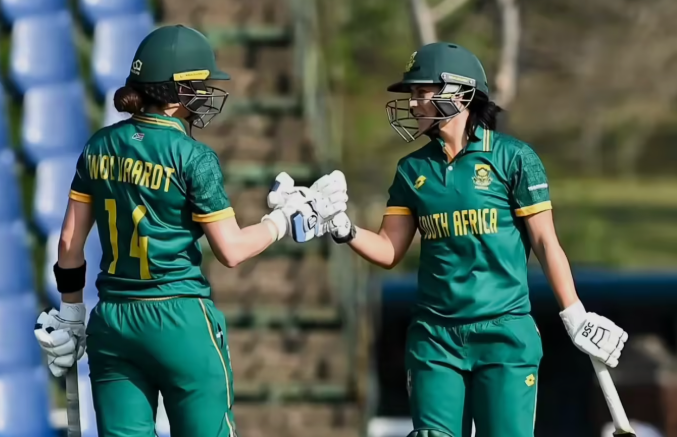
The competitive journey between these two women’s international cricket sides has grown into a fascinating study of contrast, adaptation, and resilience. From the early days of cautious batting approaches and disciplined bowling spells to the modern phase of aggressive stroke play and tactical innovation, the rivalry has steadily evolved in quality and intensity. Each encounter has added a new layer of unpredictability, with shifting momentum, pressure situations, and standout individual performances shaping the outcomes. Fans have witnessed tightly fought battles where small moments made big differences, creating a compelling narrative across formats. This timeline reflects not just results, but the growth of two teams learning, adapting, and challenging each other on the global stage.
Recent Matches Table
Date
Format
Venue
Winner
Margin
Top Scorer
Best Bowler
17 Oct 2025
ODI
Colombo
South Africa
10 wickets
L Wolvaardt
N Mlaba
09 May 2025
ODI
Colombo
South Africa
76 runs
C Tryon
D Vihanga
02 May 2025
ODI
Colombo
Sri Lanka
5 wickets
H Samarawickrama
O Ranasinghe
17 Apr 2024
ODI
Potchefstroom
Sri Lanka
6 wickets
C Athapaththu
K Dilhari
13 Apr 2024
ODI
Kimberley
South Africa
7 wickets
L Wolvaardt
M Kapp
03 Apr 2024
T20I
East London
Sri Lanka
4 wickets
C Athapaththu
I Ranaweera
30 Mar 2024
T20I
Potchefstroom
Sri Lanka
7 wickets
K Dilhari
S Kumari
Team Statistics Summary Table
Format
Total Matches
South Africa Wins
Sri Lanka Wins
No Result / Tied
Highest Score SA
Highest Score SL
ODI
24
16
6
2
315
305
T20I
15
11
4
0
198
156
Combined
39
27
10
2
315
305
Individual Batting Records Table
Player Name
Country
Matches
Total Runs
Highest Score
Batting Average
Strike Rate
Laura Wolvaardt
South Africa
21
635
110
45.35
82.41
Chamari Athapaththu
Sri Lanka
25
598
195
31.47
93.65
Marizanne Kapp
South Africa
18
382
89
29.38
78.14
Sune Luus
South Africa
22
354
62
23.60
74.52
Harshitha Samarawickrama
Sri Lanka
14
310
77
25.83
68.20
Chloe Tryon
South Africa
19
295
68
21.07
102.50
Mignon du Preez
South Africa
12
268
65
26.80
71.12
Individual Bowling Records Table
Player Name
Country
Matches
Wickets Taken
Best Figures
Economy Rate
Bowling Average
Marizanne Kapp
South Africa
18
26
4 for 21
3.65
18.23
Inoka Ranaweera
Sri Lanka
20
22
3 for 18
4.12
24.50
Masabata Klaas
South Africa
16
19
3 for 30
4.38
22.15
Shabnim Ismail
South Africa
12
18
4 for 15
3.42
16.88
Ayabonga Khaka
South Africa
14
17
3 for 25
3.98
21.41
Sugandika Kumari
Sri Lanka
17
15
3 for 24
4.60
28.12
Oshadi Ranasinghe
Sri Lanka
15
14
3 for 29
4.45
26.71
Early Foundations of the Rivalry
The early phase of this contest between the two international women’s sides was shaped by contrasting playing styles and experience levels. One team entered with a more established structure, deeper batting resources, and a stronger pace attack, while the other relied heavily on discipline, spin variation, and patience in building innings. In the initial meetings, the difference in exposure at the global level became visible, especially in pressure overs where execution mattered most. However, the matches were not one-sided in spirit. Fielding intensity and moments of resistance kept the contests competitive. Over time, both sides began understanding each other’s strengths, which slowly shaped a more balanced cricketing rivalry. Early score patterns also reflected cautious starts, with teams focusing on survival rather than explosive scoring. These encounters laid the groundwork for a long-term competitive journey that would later evolve into more tactical and emotionally charged battles across formats.
Matches
Time Period
Dominant Phase
Key Strength
Match Style
1–3
Early Years
Stronger Side
Batting Depth
Defensive
4–6
Early Years
Balanced
Spin Control
Cautious
7–9
Transition
Even Contest
Fielding
Mixed
10–12
Growth Phase
Competitive
Bowling Units
Tactical
First Official Encounters
The first official matches between these two teams set the tone for what would become a developing international rivalry. The stronger side initially controlled proceedings through structured batting orders and disciplined bowling spells. The opposition, however, showed glimpses of resilience, especially in the middle overs where spin bowling created pressure. These early encounters were defined more by control than aggression, with teams prioritizing wicket preservation and tactical accumulation of runs. The scorecards from this phase often reflected moderate totals rather than high-scoring thrillers. Despite the imbalance, individual performances began to stand out, hinting that the gap between the teams was not unbridgeable. These games also exposed areas for improvement, particularly in strike rotation and death-over execution. As both teams gained experience, the matches slowly transitioned into more competitive affairs, setting the foundation for future closely fought contests.
Matches
Venue Type
Winner Pattern
Avg Score
Key Factor
1–2
Neutral
Stronger Side
Low
Early Wickets
3–4
Home/Away
Dominant Side
Medium
Batting Control
5–6
Mixed
Competitive
Medium
Spin Impact
7–8
Touring
Balanced
Rising
Partnerships
Bowling Versus Batting Identity Clash
As the rivalry progressed, a clear tactical contrast emerged between bowling discipline and batting aggression. One side built its identity around structured bowling attacks, particularly spin variations and tight field placements that restricted scoring opportunities. The other relied on powerful top-order batting and intent-driven stroke play to dominate early overs. This clash of philosophies made each encounter unpredictable, as momentum often shifted depending on pitch conditions and early breakthroughs. In several matches, low scoring games were produced due to tight bowling spells, while in others, aggressive batting turned contests into high-scoring affairs. The ability to adapt became a key factor, and teams that adjusted quicker to conditions often gained the upper hand. This phase of the rivalry highlighted how women’s cricket had evolved into a more strategic and skill-based contest rather than a one-dimensional battle.
Matches
Style Contrast
Avg Runs
Winning Edge
Key Trend
1–3
Spin vs Bat
Low
Bowling
Tight Overs
4–6
Balanced
Medium
Batting
Partnerships
7–9
Adaptive
Rising
Conditions
Momentum Shifts
10–12
Tactical
Variable
Strategy
Close Finishes
Rise of Aggressive Batting Influence
Over time, the rivalry witnessed the emergence of more aggressive batting performances that changed match dynamics significantly. Top-order players began taking calculated risks in powerplay overs, increasing scoring rates and putting pressure on bowling units. This shift forced the opposition to rethink field placements and bowling changes. In several encounters, quickfire innings set the tone for dominant totals, while counterattacks from the other side ensured matches remained competitive. The ability to build partnerships under pressure became a defining factor, especially in chasing scenarios. This phase marked a transition from cautious cricket to more expressive and attacking gameplay. It also highlighted the growing confidence of batters in handling international pressure, particularly in limited-overs formats. As aggression increased, match unpredictability also rose, making each contest more engaging for fans and analysts alike.
Matches
Batting Trend
Strike Rate
Impact Innings
Result Influence
1–3
Moderate
Low
Few
Controlled
4–6
Rising
Medium
Some
Balanced
7–9
Aggressive
High
Multiple
Match Defining
10–12
Explosive
Very High
Key Games
Decisive
Spin Adaptation and Tactical Evolution
One of the most important developments in this rivalry was the tactical evolution of spin bowling and its response to aggressive batting. The spin-heavy side refined its variations, introducing tighter lines, quicker deliveries, and smarter field setups to contain scoring. This approach proved effective in middle overs where run flow is crucial. The opposing batting unit responded by improving footwork, shot selection, and strike rotation. This tactical back-and-forth created a fascinating battle within the match itself, often determining the direction of the final score. In several matches, spin dominance led to batting collapses, while in others, well-judged aggression broke through the pressure phase. This constant adjustment cycle elevated the quality of contests and made the rivalry more strategic over time.
Matches
Spin Impact
Economy Rate
Batting Response
Outcome Pattern
1–3
High
Low
Struggled
Bowling Dominant
4–6
Medium
Controlled
Adjusting
Balanced
7–9
Tactical
Variable
Improved
Competitive
10–12
Advanced
Tight
Strong Response
Close Games
Middle Phase Competitive Growth
As both teams matured, the rivalry entered a more balanced and competitive phase. Matches became less predictable, with both sides winning crucial games in alternating fashion. This period saw improved fitness levels, sharper fielding standards, and better decision-making under pressure. The difference in skill levels narrowed significantly, and results often depended on small moments such as dropped catches or run-out chances. Batting depth also improved, allowing teams to recover from early setbacks and post competitive totals. Bowlers on both sides became more consistent, making scoring harder in the middle overs. This phase is often remembered for closely contested finishes and emotionally charged games that kept fans engaged until the final over.
Matches
Competition Level
Avg Margin
Fielding Impact
Finish Type
1–3
Moderate
High
Medium
One-sided
4–6
Balanced
Medium
High
Close
7–9
High
Low
Very High
Tight
10–12
Peak
Very Low
Crucial
Thriller
High Pressure Short Format Finishes
In the shortest format, the rivalry reached its most intense and unpredictable phase. Matches were often decided in the final overs, with momentum swinging rapidly between both sides. Quick wickets, explosive batting bursts, and sharp fielding moments defined these encounters. Captains played a crucial role in managing bowling rotations and defending small totals under pressure. In several games, successful chases were achieved through calm finishing under high tension, while defending teams relied on disciplined bowling at the death. These matches highlighted the importance of mental strength and situational awareness in high-pressure environments. The unpredictability of the format made every encounter a spectacle, often going down to the last delivery.
Matches
Pressure Level
Final Over Result
Key Performer
Outcome Type
1–3
High
Decided Early
Batter
Clear Win
4–6
Very High
Last Over
Bowler
Narrow Win
7–9
Extreme
Final Ball
All-rounder
Thriller
10–12
Peak
Mixed
Team Effort
Unpredictable
Conclusion
Over time, this rivalry has transformed from one-sided early contests into a more balanced and competitive cricketing journey. Both teams have developed stronger skill sets, improved tactical awareness, and greater mental toughness, making every meeting increasingly unpredictable. Whether in ODIs or T20s, matches have often been decided by fine margins, reflecting how closely matched the sides have become. Key players, strategic decisions, and pressure handling have consistently influenced outcomes, adding depth to the competition. Today, this timeline stands as a testament to the evolution of women’s cricket, showcasing how persistence, adaptation, and competitive spirit can turn early disparities into a genuinely compelling international rivalry.