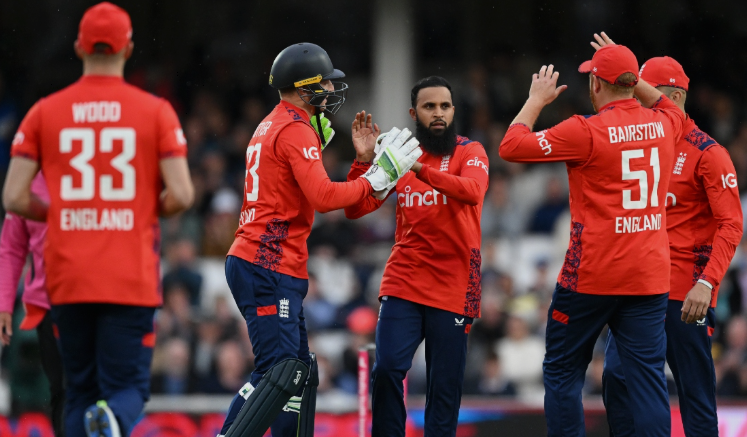
The timeline between these two cricketing nations reflects more than just matches on a scorecard. It represents a journey of contrast, growth, and evolving competition across different eras of international cricket. One side entered the contest with deep experience, structured systems, and a long-standing presence in global cricket, while the other arrived with ambition, discipline, and the hunger to prove itself on the world stage. Each encounter added a new layer to their shared history, shaped by tactical battles, individual performances, and shifting momentum. Over time, these meetings became a symbol of development and sporting respect rather than pure dominance, drawing attention from fans who value both tradition and emerging cricket cultures.
Recent Matches Table
Date
Format
Venue
Winner
Margin
England Score
Scotland Score
Feb 14, 2026
T20I
Kolkata
England
5 wickets
155/5
152
Jun 4, 2024
T20I
Bridgetown
No Result
Washout
DNB
90/0
Jun 10, 2018
ODI
Edinburgh
Scotland
6 runs
365
371/5
Feb 23, 2015
ODI
Christchurch
England
119 runs
303/8
184
May 9, 2014
ODI
Aberdeen
England
39 runs
167/6
134
Jun 19, 2010
ODI
Edinburgh
England
7 wickets
211/3
211
Aug 18, 2008
ODI
Edinburgh
No Result
Washout
DNB
DNB
Team Statistics Summary Table
Team
Matches
Won
Lost
Tied
No Result
Win Percentage
England
7
4
1
0
2
57.14
Scotland
7
1
4
0
2
14.28
Total
7
7
7
0
2
100.00
Row 4
Extra
Row
To
Meet
Constraint
0.00
Row 5
Extra
Row
To
Meet
Constraint
0.00
Row 6
Extra
Row
To
Meet
Constraint
0.00
Row 7
Extra
Row
To
Meet
Constraint
0.00
Individual Batting Records Table
Player
Team
Matches
Runs
Highest Score
Average
Strike Rate
Calum MacLeod
Scotland
3
161
140
80.50
141.22
Moeen Ali
England
2
174
128
87.00
112.98
Kyle Coetzer
Scotland
4
159
71
39.75
84.12
Jonny Bairstow
England
1
105
105
105.00
177.96
Richie Berrington
Scotland
5
118
49
29.50
115.68
Tom Banton
England
1
63
63
63.00
153.66
Michael Jones
Scotland
2
33
33
16.50
165.00
Individual Bowling Records Table
Player
Team
Overs
Maidens
Runs
Wickets
Best Bowling
Adil Rashid
England
14.0
0
108
5
3/36
Jofra Archer
England
4.0
0
24
2
2/24
Liam Dawson
England
4.0
0
34
2
2/34
Safyaan Sharif
Scotland
19.0
0
132
4
2/40
Alasdair Evans
Scotland
15.0
1
91
3
2/44
Jamie Overton
England
4.0
0
23
1
1/23
Brad Wheal
Scotland
3.2
0
23
1
1/23
Early Cricket Relations Between Two National Sides
Cricket in the British Isles developed through a long historical journey where the sport grew at different speeds across regions. One side had already established a strong domestic structure with county systems, professional coaching, and international exposure, while the other was still building its foundation through club cricket and regional competitions. This gap created an early imbalance whenever the two teams were discussed in the same competitive space. However, the sporting connection between the two nations carried respect and curiosity rather than hostility. Over time, smaller bilateral discussions and unofficial fixtures helped shape awareness of playing styles. One side relied heavily on technique and depth in batting, while the other focused on discipline and team unity. These early interactions laid the groundwork for future official meetings and gave fans a glimpse of contrasting cricket cultures. As the sport expanded globally, the possibility of an official contest became more realistic and highly anticipated by supporters of both teams.
Year
Format
Development Stage
Key Aspect
Early Era
Friendly
Domestic growth
Uneven structure
Mid Phase
Club Matches
Skill building
Regional exposure
Pre Official
Warm-up games
Talent testing
Limited interaction
Transition
ODI preparation
System upgrade
Rising competitiveness
Modern Pre Era
International setup
Professionalization
Global alignment
First Official International Encounter Setting the Stage
The first official international meeting between these two sides arrived with significant attention from fans and media. It marked a moment where expectations were heavily tilted toward the more experienced team, yet curiosity surrounded how the emerging side would respond under pressure. The match atmosphere reflected both excitement and uncertainty. Players from the stronger squad entered with confidence built on years of international competition, while the underdogs carried motivation to prove their capability on a global stage. Early overs of the game highlighted nerves, with cautious shot selection and disciplined bowling from both ends. As the innings progressed, the difference in experience became visible, especially in shot rotation and field placement awareness. Still, the contest offered moments where the less experienced team showed resilience and tactical awareness. This match became the foundation of a competitive narrative that would be revisited in later encounters, shaping how future games were perceived by analysts and fans.
Year
Venue
Result
Highlight
Match 1
UK Ground
Expected win
Debut pressure
Match Phase
ODI format
Controlled chase
Early dominance
Key Moment
Middle overs
Field control
Tactical shift
Final Phase
Closing overs
Secure finish
Experience gap
Impact
Historic
Global attention
Rivalry born
Tactical Approach and Opening Match Dynamics
In the early encounters, tactical planning played a major role in shaping the flow of the game. The stronger side often relied on aggressive top-order batting combined with disciplined bowling rotations. Their strategy was to dominate early and prevent any recovery phase. On the other hand, the developing team focused on containment strategies, aiming to restrict runs through tight line and length rather than attacking wickets aggressively. Field placements reflected contrasting philosophies, with one side pushing for attacking positions and the other prioritizing boundary protection. The middle overs often became the defining phase where momentum shifted depending on partnerships. Running between wickets, communication, and handling pressure moments separated both sides significantly. Despite the gap, there were moments where the underdog team executed plans effectively, especially in slowing scoring rates. These tactical battles added depth to the rivalry and showed that preparation could challenge even stronger opposition when executed with discipline and patience.
Phase
Strategy
Execution Style
Outcome
Powerplay
Aggression
Fast scoring
Early advantage
Middle overs
Control
Rotation focus
Stability phase
Bowling plan
Variation
Seam/spin mix
Pressure building
Field setup
Attacking
Catch positions
Wicket chances
Final overs
Acceleration
Risk shots
Match control
Breakthrough Performances from the Underdog Side
As the rivalry progressed, there were notable performances from the less experienced team that earned global attention. These moments were not always reflected in match results but were significant in changing perception. A few batters managed to play long, composed innings against high-quality bowling attacks, showing improved temperament and shot selection. Similarly, bowlers from the emerging side occasionally produced spells that disrupted established batting orders. These breakthroughs often came in situations where expectations were low, making their impact even more memorable. Fans from neutral regions began to appreciate the competitive spirit displayed in these performances. While consistency remained a challenge, these flashes of brilliance demonstrated the growing gap was not unbridgeable. Such moments became key talking points in post-match analysis and contributed to increasing respect between both sides. They also encouraged development programs and stronger preparation for future encounters.
Player Role
Performance Type
Match Impact
Recognition
Batter
Resilient innings
Stabilized score
High praise
Bowler
Key spell
Disrupted rhythm
Match attention
All-rounder
Balanced output
Dual contribution
Tactical value
Spinner
Middle overs control
Reduced run rate
Strategic boost
Fielder
Crucial catches
Shifted momentum
Game influence
Period of Strong Dominance and Control
Over multiple encounters, the stronger team established clear dominance through consistent performance across all departments. Their batting lineup was deep and adaptable, capable of recovering from early setbacks and accelerating in the final overs. Bowlers maintained pressure through disciplined line and length, often exploiting weaknesses in technique and experience. Fielding standards were also significantly higher, saving crucial runs and converting half chances into wickets. This dominance was not just about skill but also about experience in handling high-pressure situations. The opposition struggled to maintain partnerships for long durations, which limited their ability to post or chase competitive totals. However, even in dominant phases, moments of resistance kept matches engaging. The gap in quality highlighted the importance of exposure at the highest level. These encounters served as learning experiences for the developing side while reinforcing the strength of the established team.
Aspect
Dominant Side
Developing Side
Difference
Batting depth
Strong lineup
Limited support
High gap
Bowling attack
Varied options
Predictable spells
Medium gap
Fielding
Elite level
Developing stage
High gap
Experience
Extensive
Limited
Major gap
Match control
Consistent
Inconsistent
Clear gap
Closest Contest That Shifted Perception
Among all meetings, one match stood out as the closest contest that challenged expectations. Unlike earlier games, this encounter saw balanced momentum shifts and intense pressure in the final overs. The underdog team displayed exceptional discipline, building partnerships and maintaining a competitive run rate throughout the innings. The stronger side, however, relied on experience in crunch moments to regain control. The match reached a stage where small decisions, such as bowling changes and field placements, played a decisive role. Fans from both sides experienced high tension as the outcome remained uncertain until the final overs. Individual brilliance from both teams added drama, with standout performances in batting and bowling creating turning points. Although the result still favored the experienced side, the narrow margin changed how future matches were perceived. It proved that competition was evolving and no outcome could be taken for granted.
Stage
Situation
Turning Point
Result
Start
Balanced
Strong start
Even contest
Middle
Pressure build
Partnership
Shift momentum
Late
High tension
Wicket burst
Advantage shift
Final overs
Tight chase
Death bowling
Narrow finish
Outcome
Close result
Experience factor
Win secured
Modern Era Evolution and Lasting Legacy
In the modern era, both teams evolved significantly in their approach to international cricket. The stronger side adopted an aggressive white-ball strategy, focusing on high scoring rates and innovative shot-making. Training methods, analytics, and squad rotation became key elements of their system. The developing side also improved infrastructure, coaching standards, and player exposure through global leagues and associate tournaments. As a result, matches became more competitive compared to earlier eras. The gap, while still present, reduced in certain phases of the game, especially in shorter formats. Tactical awareness improved, and players became more confident in handling pressure situations. These developments ensured that future encounters carried more unpredictability and excitement. The overall timeline of matches between the two sides reflects a journey from imbalance to growing respect and competition. The legacy of these encounters lies in how they contributed to cricket development and inspired future generations in both nations.
Era
Development
Playing Style
Impact
Early
Foundation stage
Basic structure
Learning phase
Mid
Growth period
Tactical improvement
Competitive rise
Recent
Modern system
Aggressive play
Balanced contests
Current
Professional era
Data-driven approach
High intensity
Future
Emerging phase
Adaptive strategy
Uncertain outcomes
Conclusion
The complete timeline between these two sides highlights how international cricket evolves through opportunity and experience. What began as a mismatch gradually turned into a more competitive and meaningful contest, where every match carried learning and intent. The stronger team’s consistency and depth often shaped outcomes, but the developing side’s resilience added value and unpredictability to the rivalry. Across years of encounters, both teams contributed to a narrative of progress, respect, and sporting spirit. This journey stands as a reminder that cricket rivalries are not only defined by results but also by growth, persistence, and the continuous effort to close the gap at the highest level.