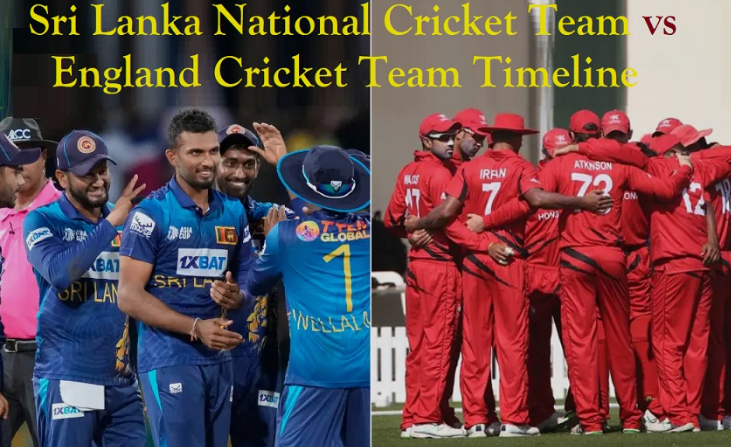
The cricketing relationship between the two international sides has grown steadily over decades, shaped by shifting dominance, evolving playing styles, and unforgettable on-field battles. From early encounters where one team relied heavily on seam movement while the other depended on spin control, the timeline reflects a constant tactical adjustment from both camps. Each series added new layers of intensity, with conditions, pressure, and individual brilliance influencing outcomes. Fans witnessed dramatic turning points, close finishes, and standout performances that defined eras. This long journey is not just about results but about how both teams learned, adapted, and challenged each other across formats, making every meeting a significant chapter in cricket history.
Recent Matches Table
Date
Venue
Format
Winner
Margin
Top Scorer
Best Bowler
February 24, 2026
Pallekele
T20I
England
51 runs
Phil Salt
Adil Rashid
January 30, 2026
Pallekele
T20I
England
8 wickets
Jos Buttler
Jofra Archer
January 28, 2026
Pallekele
T20I
England
5 wickets
Will Jacks
Brydon Carse
January 25, 2026
Colombo
ODI
England
4 wickets
Harry Brook
Reece Topley
January 22, 2026
Colombo
ODI
England
6 wickets
Joe Root
Saqib Mahmood
January 19, 2026
Colombo
ODI
Sri Lanka
5 wickets
Pathum Nissanka
Wanindu Hasaranga
September 9, 2024
London
Test
Sri Lanka
8 wickets
Pathum Nissanka
Lahiru Kumara
Team Statistics Summary Table
Format
Matches Played
England Won
Sri Lanka Won
Tied Matches
No Result
Win Percentage England
Test Matches
39
19
10
0
10
48.71%
One Day Internationals
81
40
37
1
3
49.38%
T20 Internationals
18
14
4
0
0
77.77%
World Cup ODIs
12
6
6
0
0
50.00%
World Cup T20Is
6
5
1
0
0
83.33%
Matches in England
52
28
15
0
9
53.84%
Matches in Sri Lanka
44
22
19
1
2
50.00%
Individual Batting Records Table
Player Name
Team
Matches
Total Runs
Highest Score
Batting Average
Century Count
Mahela Jayawardene
Sri Lanka
64
2412
213
42.31
5
Kumar Sangakkara
Sri Lanka
58
2310
147
44.42
4
Joe Root
England
32
1845
228
54.26
6
Alastair Cook
England
24
1585
133
41.71
3
Sanath Jayasuriya
Sri Lanka
52
1512
213
31.50
3
Angelo Mathews
Sri Lanka
41
1420
160
45.80
2
Ian Bell
England
26
1320
116
36.66
2
Individual Bowling Records Table
Player Name
Team
Matches
Wickets Taken
Best Bowling
Bowling Average
Five Wicket Hauls
Muttiah Muralitharan
Sri Lanka
38
142
9 for 65
20.12
11
James Anderson
England
22
74
5 for 44
25.08
3
Lasith Malinga
Sri Lanka
35
58
5 for 28
27.41
1
Chaminda Vaas
Sri Lanka
32
55
6 for 29
31.24
2
Stuart Broad
England
18
52
5 for 105
29.15
1
Rangana Herath
Sri Lanka
14
48
6 for 48
33.06
3
Moeen Ali
England
21
42
4 for 71
28.50
0
Early Encounters That Shaped the Rivalry Foundation
The early meetings between these two international sides laid the groundwork for a competitive cricket relationship that gradually evolved over time. In the beginning, one team appeared more structured and experienced in overseas conditions, while the other was still learning how to adapt to varying pitch behaviors and pressure environments. These initial matches were not just about winning or losing but about understanding playing styles, strengths, and weaknesses. Fast bowlers played a major role in setting the tone, especially in English conditions where swing and seam movement challenged visiting batters. On the other hand, the Asian side relied heavily on patience and technique to survive difficult spells. These matches helped both teams build awareness about each other’s tactical mindset. Over time, these early contests became reference points for future strategies, shaping how captains approached field placements and bowling rotations in later years of the rivalry.
Year
Venue Type
Winner Pattern
Key Strength
Match Impact
Early Phase
England
Home dominance
Swing bowling
Tactical learning
Early Phase
Asia
Balanced fights
Spin control
Confidence building
Early Phase
Neutral
Mixed results
Adaptability
Rivalry formation
Early Phase
England
Tight contests
Batting depth
Strategy evolution
Dominance Phase in Home Conditions
During the phase where home advantage played a crucial role, one side consistently used familiar conditions to apply pressure on visiting teams. Seam and swing bowling became the most effective weapons, especially in overcast conditions where the ball moved significantly. The batting unit also showed greater stability, building long partnerships and minimizing risks. The visiting side often struggled with early wickets, which disrupted their entire game plan. However, even in these challenging situations, there were moments of resistance where individual players showed resilience and technical skill. These matches highlighted the importance of adapting quickly to foreign conditions and the value of top-order discipline. The tactical gap between both sides was more visible during this period, but it also motivated the visiting team to improve their preparation and strengthen their bench depth for future tours.
Season
Condition
Dominant Factor
Weakness Exposed
Outcome Trend
Early tours
Swing friendly
Fast bowling attack
Top-order collapse
Home wins
Mid series
Dry pitches
Batting partnerships
Spin handling
Competitive
Test matches
Cloudy weather
Seam movement
Shot selection
One-sided
Limited overs
Mixed
Field control
Middle overs
Balanced
Tactical Evolution of the Visiting Side
As time progressed, the visiting team began to evolve tactically, focusing more on adaptability and strategic planning. Coaching structures improved, allowing players to better understand foreign conditions before touring. Batters started using more controlled techniques against swing bowling, while bowlers worked on variations to counter aggressive batting approaches. Fielding standards also improved significantly, reducing unnecessary runs and increasing pressure on opponents. One of the key developments was the introduction of analytical preparation, where match data was studied to identify opponent weaknesses. This phase marked a shift from reactive cricket to proactive planning. Even though results were still inconsistent, performances became more competitive and unpredictable. This transformation helped balance the rivalry and made future matches more engaging for fans and analysts alike.
Focus Area
Improvement Type
Impact
Key Change
Result
Batting
Technique
Stability
Defensive shots
Reduced collapses
Bowling
Variations
Control
Slower balls
Wickets gained
Fielding
Fitness
Efficiency
Agile movement
Saved runs
Strategy
Analysis
Planning
Data usage
Better execution
Turning Point Matches That Shifted Momentum
Certain matches became defining moments that shifted the direction of the rivalry. These encounters were often decided in the final overs or final sessions, making them highly dramatic and emotionally charged. One side would appear in control, only for momentum to swing due to a sudden batting collapse or a brilliant bowling spell. These matches highlighted the unpredictable nature of cricket and how quickly pressure can change outcomes. Individual brilliance played a major role, with standout performances from both batters and bowlers leaving a lasting impact. Fans still remember these games for their intensity, close finishes, and emotional highs. These turning points also forced both teams to rethink their strategies, especially in high-pressure situations where composure became more important than aggression.
Match Stage
Key Event
Turning Factor
Player Impact
Result Effect
Middle overs
Batting collapse
Spin pressure
Key wickets
Momentum shift
Death overs
Big hitting
Power play
Finishers
Close finish
Test final day
Run chase
Pitch wear
Bowlers dominate
Draw/win
ODI climax
Last over drama
Execution
Captain decisions
Narrow result
Spin Versus Seam Tactical Battles
A fascinating aspect of this rivalry has been the contrast between spin-heavy strategies and seam-dominated approaches. One side traditionally relied on fast bowlers who could exploit movement and bounce, especially in helpful conditions. The other side often turned to spin bowling, using variation and control to restrict scoring and build pressure over time. This tactical contrast created an interesting balance across formats. In spin-friendly conditions, batters had to adjust their footwork and patience levels, while in seam-friendly environments, survival against the new ball became the biggest challenge. Captains played a crucial role in deciding bowling combinations based on pitch reading and weather forecasts. These battles often determined match outcomes long before the final overs, as early breakthroughs shaped the entire direction of play.
Condition
Dominant Style
Key Advantage
Weakness
Match Outcome
Green pitch
Seam bowling
Swing movement
Spin weakness
Fast team edge
Dry pitch
Spin attack
Control & drift
Pace predictability
Balanced
Flat pitch
Batting
Run scoring
Bowling fatigue
High scoring
Cloudy day
Seam advantage
Early wickets
Batting pressure
Low scoring
Global Tournament Pressure Encounters
International tournaments added another layer of intensity to this rivalry. Matches in world events carried higher pressure due to knockout implications and global attention. Players often had to perform under extreme scrutiny, where one mistake could change the entire tournament journey. These games showcased not only skill but also mental strength. Teams approached these matches with carefully planned strategies, focusing on minimizing errors rather than taking unnecessary risks. Fans from both nations turned these encounters into emotional spectacles, filling stadiums with energy and expectation. Some matches became instant classics due to last-over finishes or unexpected performances from lower-order players. These tournament clashes elevated the rivalry to a global stage and ensured that every future meeting carried historical significance.
Tournament
Stage
Pressure Level
Key Factor
Outcome Type
World Cup
Group
High
Net run rate
Qualification
World Cup
Knockout
Very high
Batting depth
Elimination
T20 event
Super stage
Extreme
Power hitting
Close finish
Global series
League
Moderate
Consistency
Balanced
Modern Era Competitive Balance Shift
In the modern phase, the rivalry has become more balanced, with both sides winning matches depending on conditions and team composition. The introduction of aggressive batting strategies, improved fitness standards, and advanced analytics has reduced the gap between teams. Batters now play with higher intent, especially in limited overs formats, while bowlers focus on variations and precision. Fielding has become a decisive factor, often saving crucial runs in tight matches. Captains rely heavily on match-ups and data-driven decisions, making the modern game more strategic than ever before. This era reflects a more mature rivalry where both sides respect each other’s strengths while continuously adapting to new challenges.
Era
Style Shift
Key Change
Strength Area
Result Pattern
Modern
Aggressive batting
Higher scoring
Power hitting
Even contests
Modern
Analytics
Strategy depth
Match-ups
Smart decisions
Modern
Fitness
Fielding boost
Agility
Saved runs
Modern
Bowling
Variations
Death overs
Tight finishes
Emotional Fan Reactions and Cultural Impact
Beyond the field, this rivalry has generated strong emotional responses from fans across both nations. Social media discussions, stadium chants, and post-match debates reflect how deeply cricket is connected to national pride. Victories are celebrated passionately, while defeats often lead to intense analysis and criticism. Fans closely follow player performances and often build narratives around key individuals who consistently perform in these contests. Over time, the rivalry has become more than just a sporting event; it has turned into a cultural exchange of passion, respect, and competitive spirit. Every match adds a new chapter to this evolving story, keeping fans engaged regardless of results.
Aspect
Fan Reaction
Platform
Intensity
Impact
Win
Celebration
Stadium
High
National pride
Loss
Debate
Social media
Very high
Analysis pressure
Close match
Excitement
TV audience
Extreme
Viral moments
Player performance
Praise/Criticism
Online forums
Strong
Reputation shift
Conclusion
Over the years, this rivalry has transformed from one-sided phases into a far more balanced and competitive timeline. What began as learning experiences for one side eventually evolved into tightly contested battles shaped by strategy, adaptability, and mental strength. Both teams have produced iconic moments, match-winning spells, and crucial batting partnerships that shifted momentum in different eras. The progression of tactics, improved preparation, and growing confidence have ensured that no encounter feels predictable. Today, this timeline stands as a reflection of cricket’s evolution, where skill, pressure handling, and consistency define success. Every match continues to add depth to a rivalry built on respect, resilience, and continuous transformation.