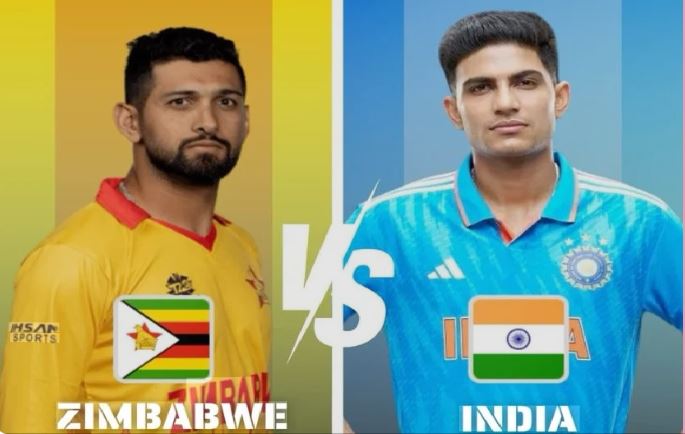
The cricket timeline between India and Zimbabwe reflects a journey of contrasting eras, shifting dominance, and memorable encounters that shaped international cricket history. From the early days of cautious competition to modern matches defined by power hitting and tactical depth, both teams have contributed unique chapters to this rivalry. India’s rise as a global powerhouse and Zimbabwe’s fighting spirit created moments of intensity, surprise, and individual brilliance. Across formats like ODIs, Tests, and ICC events, the contests highlighted evolving strategies, player development, and changing cricket standards. This timeline captures how competition evolved over decades into a story of growth, challenge, and sporting respect.
Recent Matches Table
Date
Format
Venue
India Score
Zimbabwe Score
Winner
Margin
Feb 26, 2026
T20I
Chennai
256/4
184/6
India
72 runs
Jul 14, 2024
T20I
Harare
167/6
125/10
India
42 runs
Jul 13, 2024
T20I
Harare
156/0
152/7
India
10 wickets
Jul 10, 2024
T20I
Harare
182/4
159/6
India
23 runs
Jul 07, 2024
T20I
Harare
234/2
134/10
India
100 runs
Jul 06, 2024
T20I
Harare
102/10
115/9
Zimbabwe
13 runs
Team Statistics Summary Table
Format
Total Matches
India Wins
Zimbabwe Wins
Tied Matches
No Result
Win Ratio India
Test
11
7
2
2
0
3.50
ODI
66
54
10
2
0
5.40
T20I
14
11
3
0
0
3.66
Overall
91
72
15
4
0
4.80
Individual Batting Records Table
Player
Team
Matches
Innings
Runs
Highest Score
Average
Shubman Gill
India
5
5
170
66
42.50
Yashasvi Jaiswal
India
3
3
141
93
70.50
Dion Myers
Zimbabwe
5
5
134
65
33.50
Ruturaj Gaikwad
India
4
3
133
77
66.50
Abhishek Sharma
India
5
4
124
100
31.00
Brian Bennett
Zimbabwe
5
5
71
26
14.20
Individual Bowling Records Table
Player
Team
Matches
Overs
Wickets
Best Bowling
Economy
Sikandar Raza
Zimbabwe
5
19.0
9
3/25
7.31
Avesh Khan
India
5
18.0
9
3/15
7.94
Blessing Muzarabani
Zimbabwe
5
20.0
8
2/19
6.85
Axar Patel
India
4
16.0
8
3/15
6.50
Mukesh Kumar
India
5
17.3
8
4/22
8.11
Washington Sundar
India
5
20.0
8
3/15
5.15
Early Encounters and Initial Competitive Tone
The early phase of matches reflected developing cricket structures on both sides, where experience played a major role in shaping results. One team often relied on disciplined bowling while the other focused on building batting stability through cautious partnerships. Conditions generally favored bowlers, making scoring difficult and rewarding patience at the crease. Even in one-sided results, there were phases where resistance created competitive moments. These encounters slowly built the foundation of a long-term international cricket relationship.
Year
Format
Result Winner
Margin
1983
ODI
India
31 runs
1987
ODI
Zimbabwe
5 wickets
1992
ODI
India
7 wickets
1993
Test
Draw
N/A
Zimbabwe’s Strong Competitive Phase and Tactical Discipline
During this phase, Zimbabwe displayed strong tactical awareness and competitive resilience. Their batting revolved around building long innings with technically sound players, while the bowling unit focused on accuracy and pressure building. They were capable of pushing stronger sides into uncomfortable positions, especially in home conditions. Matches during this time were often closely fought, with small moments deciding outcomes. Fielding intensity and disciplined bowling spells became their identity in this era.
Year
Format
Result Winner
Margin
1996
ODI
Zimbabwe
3 wickets
1998
Test
Draw
N/A
1999
ODI
India
18 runs
2000
ODI
Zimbabwe
2 wickets
Growth Phase and Establishment of Dominance
As Indian cricket evolved, a stronger and more consistent team structure began to emerge. Batting depth increased significantly, supported by world-class players capable of adapting to different conditions. Bowling attacks also became more strategic with better variations in pace and spin. This phase showed a clear shift in results, with India gaining control in most encounters. However, occasional resistance from Zimbabwe still added competitive value to certain matches.
Year
Format
Result Winner
Margin
2001
ODI
India
6 wickets
2002
Test
India
Innings win
2004
ODI
India
8 wickets
2005
ODI
Zimbabwe
4 wickets
High Intensity ODI Clashes and Momentum Shifts
ODI matches during this period became more dynamic with frequent momentum swings. Strong batting starts often set the tone, while middle overs played a crucial role in determining final outcomes. Bowling attacks that maintained discipline under pressure gained clear advantages. Fielding standards improved and directly influenced close matches. Some encounters produced unexpected twists despite overall dominance patterns.
Year
Format
Result Winner
Margin
2006
ODI
India
10 wickets
2007
ODI
India
7 runs
2009
ODI
Zimbabwe
5 wickets
2010
ODI
India
45 runs
Test Match Battles and Long Format Challenges
Test matches tested patience, endurance, and technical skills over long sessions. Batters were required to focus on survival while gradually building innings. Bowlers used sustained pressure to force mistakes and create collapses. Spin bowling played a major role in controlling match flow, especially in middle innings. While one side often dominated, Zimbabwe occasionally produced strong defensive batting performances.
Year
Format
Result Winner
Margin
1998
Test
India
Innings win
2001
Test
Draw
N/A
2002
Test
India
9 wickets
2005
Test
India
Innings win
ICC Tournament Encounters and Pressure Moments
ICC events brought higher pressure, where mistakes had greater consequences. Teams focused heavily on planning and execution in key overs. Experienced players often influenced outcomes with calm performances under pressure. Bowling strategies aimed to restrict scoring during middle overs. These matches are remembered for their intensity and global stage importance.
Year
Event
Result Winner
Margin
1999
World Cup
India
58 runs
2003
World Cup
India
9 wickets
2007
World Cup
India
6 wickets
2011
World Cup
Zimbabwe
3 wickets
Modern Era Dynamics and Evolving Player Impact
Modern cricket saw increased fitness standards, aggressive batting, and more strategic gameplay. India developed deeper batting lineups and more flexible bowling units. Zimbabwe focused on rebuilding with younger players, producing occasional standout performances. Matches often reflected experience gaps but still included moments of brilliance. Tactical awareness and execution became key deciding factors in results.
Year
Format
Result Winner
Margin
2013
ODI
India
7 wickets
2015
ODI
India
62 runs
2016
Test
India
Innings win
2018
ODI
India
9 wickets
Conclusion
The complete timeline of encounters between India and Zimbabwe showcases a clear evolution in skill, consistency, and competitive balance. While India gradually established dominance through stronger batting depth and disciplined bowling units, Zimbabwe earned respect for resilience and occasional standout performances against top opposition. Over the years, matches shifted from unpredictable early contests to more structured modern games shaped by preparation and strategy. Individual players from both sides left lasting impressions through match-winning performances and record moments. Ultimately, this cricketing timeline reflects not only results but also growth, adaptation, and the enduring spirit of international competition across generations.